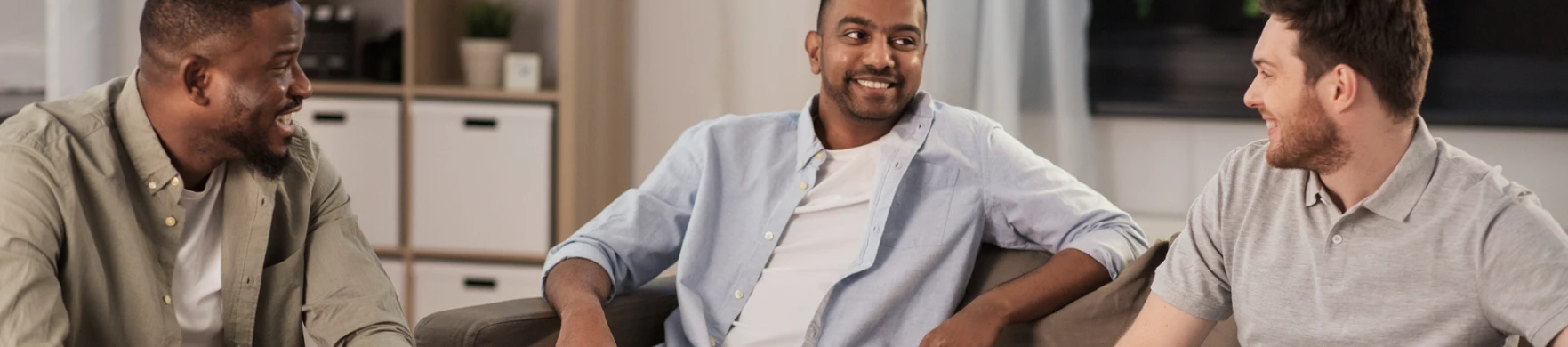
What Is a Sober Living House? Your Complete Guide

Additionally, considering the cost and any included amenities will help ensure the sober living house fits within your budget and meets your needs for a stable, substance-free environment. Sober living homes work by providing structured, substance-free housing that supports individuals in addiction recovery as they transition from rehab to independent living. These residences operate at different levels based on the services provided and the structure of the environment. According to the National Alliance for Recovery Residences (NARR), there are four levels of sober living homes. You can stay in a sober living home for 90 days to 18 months, depending on individual needs, progress in recovery, and the home’s policies. While there is no strict time limit, most residents stay long enough to build stability, secure employment, and develop coping skills before transitioning to independent living.

Do residents need to attend outpatient treatment or recovery programs while in a sober living home?

Learn more about our approach to sober living in Los Angeles County, where we help individuals create sustainable pathways to wellness. To choose a sober living home, it’s important to consider factors such as location, cost, available support services, and the home’s accreditation. Researching a home’s reputation and ensuring it offers a structured environment that aligns with personal recovery goals is important for long-term success.

what is a sober living house

What Amenities Do Sober Living Homes Offer?

Counseling, workshops, and group therapy sessions further support individuals in developing healthy coping strategies and building resilience. Essentially, a sober living house is a drug- and alcohol-free residence where individuals in recovery live together and support each other. Unlike a treatment center, a sober living house does not provide formal therapy or clinical services.

what is a sober living house

The Rules of Sober Living Houses

You can stay in a sober living home as long as you’re following the rules and actively working toward your recovery goals. Maintaining sobriety significantly strengthens relationships and social connections. Individuals often experience better communication and trust, crucial elements for healthy relationships.

Some are run by private companies, others by nonprofit groups, and some even by former residents. What they all have in common is a shared commitment to staying free from drugs and alcohol to support everyone’s Drug rehabilitation sobriety. Our mission is to foster long-term sobriety by creating a supportive environment where house members participate in each other’s recovery. Yes, some sober living homes allow pets with specific guidelines, such as requiring animals to be spayed or neutered, housebroken, and non-aggressive. Residents must manage their pets responsibly to ensure a safe environment for all.

  • In the 1950s, groups like Alcoholics Anonymous (AA) and Narcotics Anonymous (NA) highlighted the value of group support and sober housing, leading to the growth of sober living houses across the U.S.
  • Inspections are regularly conducted to confirm that these homes meet specific requirements, including those related to health, safety, and overall living conditions.
  • Sober living homes provide a bridge between rehabilitation and returning to the world with a stronger foundation for your sobriety.
  • Remember, the road to recovery is paved with challenges, but in a sober living home, you’re never walking it alone.
  • The right treatment often includes a mix of therapy, medication, and compassionate care—tailored just for you.

The integration of the 12 Steps of Alcoholics Anonymous (AA) into the fabric of sober living houses underscores their commitment to the principles of recovery and personal growth. These homes encourage participation in AA or similar programs, seeing them as vital for developing coping mechanisms against addiction triggers. The 12 Steps program offers a spiritual foundation and practical guide to tackling the challenges of addiction, which resonate well within the sober living setting. Integration of these principles helps foster a shared language and set of goals among residents, anchoring the community on a path of continuous improvement and accountability.

  • Halfway houses fall under the umbrella term “sober living home,” as both terms refer to residences where people in recovery stay before going back to living on their own, says Dr. Kennedy.
  • Finding the right sober living house is a critical step in one’s journey toward long-term sobriety.
  • They must also contribute to the community by helping with chores, taking responsibility for their actions, and respecting and obeying all house rules.
  • In sober living homes, you’re not just renting a room; you’re investing in your future.
  • Today, sober houses are “free-standing,” independently owned, and operated.
  • Sober living homes occupy a unique legal landscape in California, with complex regulatory considerations that impact their operation and management.

Typical duration of stay

what is a sober living house

Understanding the financial landscape is crucial for individuals seeking a sustainable path to long-term recovery. Yes, sober living homes are regulated and safe, though the level of regulation varies depending on location. In many states, sober living homes are required to adhere to specific standards to ensure the safety and well-being of their residents. These homes are required to follow compliance regulations set by state and local authorities, and they are also subject to oversight by organizations that certify their operations.

  • Find documents, templates, and everything residents need while living at an Oxford House.
  • Additionally, sober living builds social support and provides a community among individuals all working towards the same goal of recovery.
  • A more extended period in an SLH means more time under a system of checks and balances.
  • If you have already gone through rehab, but you’re not quite ready to live independently, this type of facility may be an excellent fit for you.

Eudaimonia Can Help Keep You on the Path to Recovery

what is a sober living house

You’re expected to follow guidelines, which often include curfews, chores, and mandatory participation in recovery meetings. This structure helps you build discipline and accountability, key components for a sober life. People who have undergone addiction treatment in rehab centers often struggle to stay sober as they adjust to the real world. In sober living homes, you can learn essential skills and techniques for recovering addicts before returning to your everyday life. Individuals pay for sober living homes out-of-pocket, though there are various payment options. Many residents use personal savings or income to cover the cost, while others qualify for insurance coverage through private health plans, Medicaid, or other state-funded programs.

  • Overall, while cost should not be the only consideration, sober living homes can offer significant savings in the long run and serve as a valuable option for those seeking recovery.
  • Second, every resident would contribute equally to the expenses and household duties.
  • The rules aim to maintain structure and consistency, which are key to successful long-term sobriety.

According to a study by the National Institute on Drug Abuse, 40-60% of people who receive addiction treatment will relapse at some point. And according to Journal of Psychoactive Drugs, titled “Outcomes Among Sober Living House Residents Who Relapse,” 55% of sober living house residents maintain their sobriety. Sober living homes are specialized residences designed to support individuals in recovery from substance use disorders.

what is a sober living house

Extended care and recovery homes in Austin fill this gap by offering safe housing, accountability, and ongoing clinical or peer support. Research shows that addiction treatment works best when it lasts at least three months and often longer. Extended care gives people time to turn new habits into a routine, instead of going straight from rehab back into daily stress. It’s easy to confuse sober living houses with rehab centers or halfway houses, but there are some stark differences among them. Rehab centers offer intensive recovery programs that help residents overcome addictions by following strict rules and regulations. Halfway houses usually require that residents complete a formal rehab treatment program and they limit the amount of time residents can stay to 12 months.


Sober Curious: What It Means for You and Your Brain

For many people, one of the hardest parts of Sober October, Dry January, and generally the first few months of giving up alcohol is finding alternatives to alcohol. That’s where Fiona Beckett’s recipe book comes in – it’s not quite quit lit but it’s close enough. If you recognize that you have a drinking problem and are looking toward some of the more popular recovery programs, this may be a particularly Halfway house insightful read.

Alcohol Lied to Me by Craig Beck

The information on this website is not intended to be a substitute for, or to be relied upon as, medical advice, diagnosis, or treatment. Always seek the advice of a physician or qualified health provider with questions regarding a medical condition. During the latter years of high school and the early ones of college, I remember impatiently counting down the months, days, (and if I’m being honest… seconds) until I turned 21. All around me, at dinners, meals out with family, and even watching SATC make Cosmos look cool, I looked on as people sipped charmingly from coupes and gracefully from glasses. Drinking, it seemed, was the epitome of elegance—and it was a natural milestone that would confirm my emergence into adulthood.

sober curious book

Sober On A Drunk Planet: Giving Up Alcohol by Sean Alexander

This book focuses on the underlying reasons for humanity’s sometimes inexplicable sense of suffering. Gifts of Imperfection by Brene Brown is a must-read book for anyone seeking to lead a more authentic, healthy, and happy life. He breaks down readers’ views on everyday life, encouraging them to look within themselves and find inner peace beyond the levels our minds can reach. A New Earth by Eckhart Tolle is one of the most well-known works on spirituality and personal transformation, helping readers worldwide gain awareness and make better decisions. Through lessons such as pausing before making a choice and using negative emotions as fuel for evolution, The Power of Now helps readers become mindful citizens of an ever-evolving universe.

The Essential Role of Peer Recovery Coaches in Addiction Treatment

In response to the sober curious movement, a wide range of non-alcoholic wines, beers, and spirits have emerged. Google Trends data indicates that search interest in terms like “non-alcoholic drink” and “non-alcoholic beer” reached all-time highs in 2022. The sober curious movement has sparked a notable increase in the popularity of non-alcoholic beverages, providing a variety of options for those seeking alternatives to traditional alcoholic drinks. This section examines the growth of non-alcoholic beverages and the influence of celebrity endorsements on this evolving market. White helps the reader identify why we drink, how we can move forward with a healthy relationship with alcohol, and, most importantly, build a sober life you love.

Enlightening Books to Guide Your Sober-Curious Journey

  • By recognizing our shared values and removing barriers fuelled by shame, guilt, or judgment, we can tap into greater degrees of freedom and self-love.
  • Functioning and fun-loving, this author’s love for wine hardly seems like a problem until her attempt to cut back proves much more challenging than she had imagined.
  • Many shops and supermarkets now offer a range of good-quality, zero-alcohol wines, beer, and spirits.

It’s driven by a myriad of factors from health consciousness, to evolving attitudes towards the drinking culture that dominates social scenes, to aspiring for more authentic, less alcohol-influenced connections with people. There is a growing demand for non-alcoholic beverages, with young consumers showing a preference for quality experiences over quantity. The no and low-alcohol category is expected to grow consistently, with total volume consumption projected to increase by over 31% across multiple countries by 2024. This awareness and changing behavior reflect the principles behind the sober curious movement, emphasizing a thoughtful approach to alcohol consumption and lifestyle choices.

The Blissful Sleep, Greater Focus, and Deep Connection Awaiting Us All on the Other Side of Alcohol

My work comes to life offline, and connecting with people in talks, panel events, workshops, and on retreats, is when everything clicks into place. Strictly Necessary Cookie should be enabled at all times so that we can save your preferences for cookie settings. If you’re opening up your social circle to a few close friends, consider a hike or picnic in the park. Shahroo Izadi is a psychologist specializing in behavior change, a speaker, coach, and the author of The Kindness Method. “How To Drink Without Drinking is beautifully produced, with gorgeous photos of many of the recipes,” says Willoughby.

  • Sober celebrities, reality stars in rehab and the sudden ubiquity of mocktail recipes… the culture is shifting, and abstinence is in.
  • If getting drinks with friends or dates has traditionally occupied a lot of your time, you’ll need to determine how to navigate these situations.
  • White helps the readers peel back the onion, the root reasons why drinking became out of your control.
  • “This is a very personal journey and it’s important to focus on yourself and how alcohol is making you feel.”

An evidence-based alcohol reduction program developed by leading experts in the realms of psychology and neuroscience. It features a neuroscience-based reduction program, a personalised drink tracker, a toolkit with games and meditations to beat cravings, in-depth courses and 24/7 private community support. Learn how to navigate a sober lifestyle whilst experiencing shortcuts to happiness, health and increased financial freedom. Ruby’s 2018 book, Sober Curious, was an illuminating conversation starter that asked you to consider, “Would life be better without alcohol? ” thus sparking a global movement of people reevaluating their relationship with alcohol.

sober curious book

But what does it mean to be sober curious, and how is it different from mindful drinking or going teetotal? Here, we asked two experts to dive into the benefits of wanting to be more conscious of what you drink and what the experience is really like. Positive drinking acknowledges that complete abstinence may not be necessary or desirable for everyone. Instead, it encourages a more thoughtful and balanced approach to alcohol consumption, aligned with personal goals and values.

Events like Dry January and Sober October can be great catalysts, but you can create change any time of the year. Many women in high-pressure careers or caregiving roles notice that alcohol can negatively impact sober curious sleep, energy, and mood. Similarly, we’re seeing increased discussions (and less stigma) around anxiety, depression, and alcohol’s role in worsening mental health. In reality, though, people recovering from alcohol use disorder can go on to drink occasionally. Similarly, people who don’t meet the criteria for alcohol use disorder can still have a challenging relationship with alcohol and benefit from taking a break. You may not feel a need to quit entirely, but taking a break might help you find more productive ways of managing challenges.

How much—and what—you share with people is up to you, but you don’t owe anyone an explanation. Moreover, you’ll likely be surprised that most people aren’t concerned about what you’re drinking. Many Americans are now questioning their relationship with alcohol—and many are reducing their consumption or eliminating it altogether. Though the pandemic increased drinking levels overall, young adults are less interested in drinking than in decades past.

Addictive Cycle: How to Break it in Five Steps

Setting a specific number of days when you are supposed to break a habit is an obvious way to get frustrated and give up on your sobriety. An addictive cycle includes a range of bad habits, which means that breaking a cycle ill require breaking each of the habits involved in that cycle. It starts with small, consistent actions; like the ones above. It’s about changing your habits, mindset, and environment so you can build a better life; one where addiction no longer controls you. These signals often precede urges related to addictive behaviors. Becoming aware of these triggers builds the foundation for change.

how to break the addiction cycle

Prevention Models

  • The other distinguishing factor is the reason why you’re using the drug or activity – if you’re drinking to numb painful emotions, for instance, chances are it’s an addiction.
  • The addiction cycle is a pattern that people often experience when dealing with substance abuse or addictive behaviors.
  • The nicotine in cigarettes, e-cigarettes and other vaping products, and chewing tobacco is highly addictive, which makes smoking one of the hardest addictions to overcome.
  • Medically supervised detoxification or medication-assisted treatment programs, such as those using buprenorphine or methadone, can support long-term recovery and reduce dependence risks.
  • Breaking free from addiction can be daunting, but with commitment in recovery, it is achievable.
  • Over time, treating oneself kindly and taking genuine interest in one’s feelings can replace addictive habits with healthier coping strategies.
  • Engaging in activities you enjoy, making you feel wanted, and providing purpose to your life is critical.

LiveRehab.com offers online courses and tools to help you do just that; from building healthy routines to managing cravings in real time. These actions temporarily mask or relieve distress but do not resolve the underlying issues. The cycle is fueled by an ongoing search for comfort amid overwhelming discomfort. This article explores each of the 4 C’s, how they fuel addiction in men, and the best strategies for long-term recovery. We aspire to break through all the stigmas attached to mental health and counselling.

However, even when these addicts get rid of their source of addiction, eventually they pick up another addiction. If you’re close to engage in the activity, you may experience feelings of anxiety and excitement that don’t let up until you actually get to do it. However, addiction doesn’t fit that stereotype in today’s society – a society that is generating addictive vulnerability.

Life Beyond the Bottle

You can use a journal where you write about your goals for a porn-free life. You can imagine feeling more confident, being more present with your family or partner, and enjoying deeper emotional connections. Sessions are conducted by adult staff in school and community settings and by trained peer leaders in after-school groups in junior high schools (Davis et al. 1994).

Solutions to Underage Drinking – Parenting Advice for Teenage Drinking

Feeling guilty and remorseful, the person tries to live sober for a while before something triggers them to use again, and the cycle continues. The person engages in the addictive behavior or consumes the substance, leading to temporary relief or pleasure. Developing new coping strategies and building a strong support system are critical to long-term sobriety. Drug and alcohol addiction research has clearly demonstrated that the addicted brain is chemically and physiologically different from a normal brain. The idea of addiction being a neurological disorder is critical to understanding its development and the recovery process. In addition to environmental exposure, researchers have found a genetic link to addiction.

Alternative Activities

However, the vast majority of addicts require outside help from counselors, physicians and drug and alcohol rehabs. With the right tools and support, breaking the cycle is possible. Support is comprehensive and includes after care plans to prevent relapse. Recovery doesn’t end with detoxification or even after returning to a substance-free life. Continued support and aftercare are essential for maintaining the gains made during treatment and for preventing relapse.

how to break the addiction cycle

The assessment is the foundation for the first substance abuse treatment plan after the patient has withdrawn. Individuals recovering from various forms of addiction cycles frequently encounter relapses that have gained acceptance as an almost inevitable part of the recovery process. Normalizing relapses can make it less urgent for providers, patients, and support people to prevent them. Countless individuals lose their employment, families, freedom, and even lives as a consequence of relapses.

  • These urges stem from changes in the brain’s dopamine system, which regulates pleasure and reinforcement.
  • Understanding the addiction cycle is the first step towards reclaiming control and embarking on a journey to recovery.
  • It messes with your brain’s pleasure, anxiety, and control areas and can stick around even after you stop using.
  • It can negatively impact various aspects of someone’s life, such as relationships, professional careers, and overall health.

how to break the addiction cycle

The definition of addiction also includes strong references to denial, minimization and justification, all of which are primitive internal defense mechanisms. After the addiction is acknowledged, the addict may ultimately be forced to decide to stop using chemicals, thus breaking the cycle of addiction. The cycle of addiction is powerful, usually requiring outside interventions that include alcohol detox or drug detox and substance abuse treatment. The addiction cycle involves a repetitive pattern in which a person continuously relapses into substance use due to a combination of emotional triggers, cravings, rituals, use, and guilt. This cycle is prevalent among addicts because it provides temporary relief from negative emotions, reinforcing the addictive behavior.

how to break the addiction cycle

Perhaps, you need to let go of some people, or remove a disempowering story that creates suffering in your life. That is why bringing yourself back to the present is the best way to cope with your feelings. You might not marijuana addiction have created the problem, but if it’s affecting your life, it’s now your responsibility to decide how to respond. Identifying the worst-case scenario helps you realize that you can handle just about any problem, with support.

It’s Not The FREQUENCY Nor Is It The QUANTITY

how to break the addiction cycle

Although there are several types of intervention programs, some strategies are common to most programs. Among these strategies are training in social competency and coping skills, as well as providing information, social support, and alternatives to AOD use. These strategies have been developed for prevention efforts with diverse populations, but are applied (and sometimes adapted or customized) to groups of COA’s. Mental health conditions like depression, anxiety, PTSD, or ADHD can increase the risk of substance misuse and make recovery more challenging.

Drugs and alcohol are substances that cause the brain to release dopamine artificially, causing the brain to crave more. The person may now feel emptiness, pain, sadness, guilt, fear and other negative feelings. Beachside Rehab’s dual diagnosis treatment program is a holistic approach that will help individuals break the cycle of addiction. The program helps patients identify the underlying problems that cause emotional pain, giving them a pathway for tackling unresolved issues that can trigger addictive behavior. For example, binge users rotate through this cycle more slowly. Daily users may rotate through the cycle of addiction daily or several times throughout the day.

Fentanyl Withdrawal Timeline: Symptoms, Stages & Treatment

Research shows that treating mental health disorders alongside addiction improves outcomes and reduces relapse risk. Contingency management uses positive reinforcement to encourage recovery behaviors. You might earn rewards or incentives for attending sessions, passing drug tests, or meeting treatment goals.

fentanyl withdrawal symptoms

What to Expect in a Professional Setting

If you or a loved one is struggling with fentanyl dependence, reach out today. We’re here to help you start your recovery journey safely and confidently. Explore our rehab directory to find a treatment near you that can help you safely detox from fentanyl, address underlying issues, and create an aftercare plan for long-lasting recovery. These peak withdrawal symptoms can usually last between hours after your last fentanyl use. It’s unclear why some patients have severe symptoms after stopping their medications.

Analyses of the impact of fentanyl use on opioid withdrawal symptoms

Generally, scores are interpreted as mild (between 5 and 12), moderate (between 13 and 24), moderately severe 25-35 and severe 35. Fentanyl withdrawal is far more severe than withdrawal from other opioids due to its extreme potency and great risk of misuse. Symptoms like intense cravings, anxiety, and physical discomfort begin within a few hours after withdrawal. The main symptoms of fentanyl withdrawal include muscle pain, sweating, chills, nausea, anxiety, depression, cravings for fentanyl, insomnia, fever, diarrhea, nausea or vomiting, and dysphoria. Fentanyl detoxification may last between seven to 10 days, depending on the severity of withdrawal symptoms and the number of drugs or drinks consumed. Mixing fentanyl with other opioids like prescription painkillers or heroin significantly heightens the risk of overdose.

Medical Supervision During Withdrawal

  • Fentanyl overdose is still possible at any time since only a small amount of the drug can be fatal.
  • If left untreated, these symptoms can rapidly dehydrate the body and cause dangerously high levels of sodium to accumulate in the blood (hypernatremia).
  • Opioid use disorders require ongoing care, not just short-term detox.
  • If you or a loved one is going through this, know that it’s a challenging journey but one you don’t have to face alone.

Lofexidine can play a valuable role in reducing the severity of fentanyl withdrawal effects, supporting individuals as they work towards discontinuing fentanyl use. Detox from fentanyl usually takes 7 to 10 days, with withdrawal symptoms starting within 12 hours of the last dose. Symptoms peak between days 2 and 4 and gradually decline by day 7. Factors such as how long does fentanyl stay in your system dosage, length of use, and individual health can extend detox to several weeks. A person taking prescribed fentanyl can experience dependence, meaning they have withdrawal symptoms when they stop taking the drug.

fentanyl withdrawal symptoms

fentanyl withdrawal symptoms

Tapering off fentanyl should be done in a medically supervised environment, where a physician will create a plan to slowly lower doses of fentanyl until a person can stop safely. Other medications may also be used during Alcoholics Anonymous fentanyl detox in order to help with specific symptoms. These include sedatives, such as benzodiazepines, and the medication clonidine, which helps reduce some withdrawal symptoms. Within about three to five days, most of the symptoms come to an end. However, people can experience emotional issues after they stop using fentanyl.

Signs You Need Help With Fentanyl Addiction

  • Fentanyl withdrawal is the body’s reaction to life without a drug it has come to depend on.
  • The dose of these drugs is then tapered in a slow and controlled manner until the recipient is opioid-free.
  • Lofexidine can play a valuable role in reducing the severity of fentanyl withdrawal effects, supporting individuals as they work towards discontinuing fentanyl use.
  • Unlike the withdrawal that occurs when abstaining from alcohol or benzodiazepines, opioid withdrawal does not lead to death in most cases.
  • While the withdrawal process can feel overwhelming, recovery is possible with the right support.

It is also helpful to avoid under or overmedicating those going through fentanyl withdrawal. Although methadone functions in the same way as fentanyl, it is not as dangerous. While only a speck of fentanyl can result in an overdose, methadone is much less deadly and potent. Those who opt for methadone will need to take it on a long-term basis. Once they’ve successfully weaned off of fentanyl, they will also need to slowly taper off methadone as well.

This can raise their risk of serious or even deadly pregnancy complications. Like any opioid, fentanyl use can lead to tolerance, especially if you take it for a prolonged period of time. Search our directory, compare programs, and start recovering today. They will also rule out other possible conditions, like alcohol intoxication or withdrawal, opioid-induced depressive disorder, or other withdrawal disorders.

7 Stages of Alcohol Intoxication: Symptoms & Treatment

You may engage in reckless behavior or put yourself and others at risk without realizing it. Our state-specific resource guides offer a comprehensive overview of drug and alcohol addiction treatment options available in your area. How quickly someone feels drunk depends on factors like age, sex, body size, metabolism, tolerance, whether they’ve eaten food, and if they’re consuming other drugs. Dr. Byron McQuirt leads works closely with our addictionologist, offering holistic, evidence-based mental health and addiction care while educating future professionals. Delaying emergency care increases the risk of serious health issues, including death.

  • Although a glass of wine and a can of beer can have a similar amount of alcohol, wine is more commonly tied with feelings of relaxation and poise.
  • It takes time for our body to get rid of the alcohol in our system (it does so at the rate of approximately 1 standard drink per hour).
  • A doctor can diagnose intoxication by checking the patient’s blood alcohol content levels.
  • Everyone faces the risk of excessive alcohol consumption when drinking.

Physical Signs of Alcoholism

From there, it travels to various organs and systems, affecting the central nervous system (CNS) in particular. The CNS controls functions such as coordination, judgment, and cognitive abilities. At this stage, you will no longer respond to what’s happening around or to you. It can be helpful to know the signs of being drunk so you can avoid possible harm to yourself by continuing to drink.

Death

The shock of the cold heroin addiction water can cause them to lose consciousness or get too cold, a condition known as hypothermia. They may feel slightly more relaxed but are still in control of their actions. While some find it fun to get a buzz from drinking alcohol from time to time, consuming too much of it can be downright dangerous. Your body functions will slow so much that you will fall into a coma, putting you at risk of death. This tipsiness begins when alcohol enters the body’s bloodstream and starts to affect the functions of the brain and body. If you’re concerned about how you behave when you drink and want to reduce how much you consume, Ria Health may be able to help.

When Should I Worry About My Reaction to Alcohol?

However, understanding the role of genetics can help individuals make informed decisions about their drinking habits and seek appropriate treatment if necessary. Understanding these factors can help individuals make informed decisions about their alcohol consumption and recognize the signs of being drunk. It’s essential to prioritize personal safety and well-being when consuming alcohol and to seek support if alcohol use becomes problematic.

what does it feel like to be drunk

How to Tell if Someone is Drunk: 5 Signs of Intoxication

what does it feel like to be drunk

Heavy drinking tends to cause more serious intoxication and may eventually cause serious health issues, such as blackouts or kidney failure. The Reframe app equips you with the knowledge and skills you need to not only survive drinking less, but to thrive while you navigate the journey. Alcohol impairs the cerebellum, leading to delayed reaction times, poor coordination, and an unsteady gait. Blood alcohol content (BAC) is the unit used to measure the amount of alcohol in a person’s bloodstream. Drinking too what does it feel like to be drunk much can make even the best of us look “sloppy.” That’s because alcohol activates a receptor in the brain called TLR4, which impairs motor function.

“Alcohol Only Affects Your Judgment, Not Your Physical Abilities”

Each state has its own risks, but what happens when these risks combine? Does being high dampen the sensation of being drunk, potentially leading to alcohol poisoning? How does the interaction between different substances alter risk perception and decision-making? Combining alcohol with drugs can create a synergistic effect, meaning the combined impact can be greater than each substance on its own. This might initially seem like an enhanced “high” or deeper “buzz,” but what are the actual neurological implications?

Slurred Speech and Stumbling

Another common sign of drunkenness is impaired judgment and decision-making. This can manifest itself in risky behaviors, like trying to drive while drunk or getting into fights. Drunkenness can also cause people to behave impulsively or say things they wouldn’t normally say. In addition to the obvious signs of drunkenness, like slurred speech and staggering, there are a few other telltale symptoms that can indicate someone is intoxicated. They may also have trouble focusing their vision and have a hard time following a conversation. Some people also find that their senses are heightened when they are drunk, causing them to see, hear, smell, taste, and feel things more intensely.

Red Wine vs. White Wine

If you suspect someone has alcohol poisoning, acting quickly and correctly is vital. Your actions can prevent serious injury or death while you wait for medical professionals to arrive. It’s a high-stakes situation, and knowing the right steps to take—and just as importantly, what not to do—can make all the difference. Your goal is to keep them safe until they can receive proper medical care. As you drink, alcohol goes into your bloodstream and affects your brain and body functions.

Medical care professionals treating patients for alcohol poisoning should check for possible Alcohol Use Disorder (AUD). BAC and blood sugar levels can both be checked with a simple blood or urine test. If you believe someone is significantly intoxicated, the first thing to do is to remove any additional alcohol from their immediate surroundings so they can’t continue to drink. The person is more confident, friendly, impulsive, and has a shorter attention span.

  • The level of intoxication depends on how much alcohol has been consumed.
  • This awareness is a powerful tool for anyone looking to change their relationship with alcohol and prioritize their well-being.
  • Being drunk, or intoxicated by alcohol, can have serious legal consequences.
  • Similarly, certain medications can interact with alcohol and intensify its effects or cause dangerous side effects.

The experience of being drunk can be divided into several stages, each characterized by different physical and emotional effects. Understanding these https://ecosoberhouse.com/ stages can help individuals recognize the signs of intoxication and avoid potential harm. As your Blood Alcohol Content (BAC) rises, you’ll likely experience a noticeable decline in your physical abilities. Problems with balance and coordination are common, which is why walking in a straight line becomes a challenge.