Solvency vs liquidity: What Is Solvency? Definition, How It Works With Solvency Ratios

Physical assets – resources your business owns, like buildings or equipment – aren’t that liquid as it can take months to sell them before you get any cash. Current assets include cash, inventory, payments due, and any assets that can be sold quickly. Liquidity compares current liabilities (amounts owed within the coming year) against current assets. Liquidity measures a business’s ability to pay its bills and make loan repayments in the coming months. In broad terms, if you earn more money than it costs you to produce the goods or services you sell, your business is profitable. On the other hand, Solvency handles long-term debt and a firm’s ability to perpetuate.

Statement of Cash Flows

Usually, this procedure involves the calculation of a solvency ratio that shows if a company is sufficiently solvent or not. The term commonly applies to companies that are assumed to be financially able to meet its debts. The ratio is calculated by comparing the earnings of a business that are available for use in paying down the interest expense on debt, divided by the amount of interest expense. These obligations may include both long-term and short-term debt, lines of credit, notes payable, and bond obligations.

To calculate the debt to equity ratio, simply divide total debt by total equity. Solvency is the ability of an organization to pay for its long-term obligations in a timely manner. Investors should examine all the financial statements of a company to make certain the business is solvent as well as profitable. A business that is completely insolvent is unable to pay its debts and will be forced into bankruptcy. The relationship between the total debts and the owner’s equity in a company. A company is considered solvent if the realizable value of its assets is greater than its liabilities.

As your accountant, they are here to ensure that all of your financial decisions are The Difference Between Petty Cash And Cash On Hand made carefully and with your best interests in mind. They help solve tax problems with the IRS and state agencies. At Gary Mehta, CPA, EA, their team of skilled professionals helps individuals and small businesses. The firm focuses on helping clients make sound business decisions. They ensure every client receives quality and personalized financial guidance catering to their needs.

Buchbinder Tunick & Company LLP

A quick check of a company’s balance sheet, specifically the shareholders’ equity, can provide an immediate view of solvency. While companies should always strive to have more assets than liabilities, the margin for their surplus can change depending on their business. If there is still value after the liabilities have been subtracted, the company is considered solvent. A company can survive with insolvency for a reasonable time period, but a company cannot survive without liquidity.

It also alerts them to gaps in cash and assets that would prohibit proper debt coverage. Companies put short-term strategies into place to maintain liquidity and long-term strategies for solvency. As liquidity and solvency strategies are finalized, it’s up to the management team to ensure all business units affected are aware of the plans. The quick ratio is a strong measure of immediate liquidity, meaning how a firm can respond to financial needs today. Investors can also analyze this using a metric called the quick ratio, which runs the same calculation but only uses cash or cash-like assets. For 2020, the company’s net working capital was $99, so its net working capital position, and, thus, its liquidity position, has improved from 2020 to 2021.

Solvency ratios

That’s why it’s critical that companies regularly analyze their ability to meet both their short- and long-term liabilities. Moving a business from insolvency to solvency typically entails managing your debt and improving your cash flow. The Balance Sheet Test With this measure, an independent third party assesses the value of all your company’s assets as well as its liabilities. When a company is insolvent, it means its liabilities exceed its assets. Read on to learn how solvency works, how it is measured, and what to do if your business is not currently solvent. When a business is unable to cover those debts (even if it liquidated all of its assets), it is considered insolvent.

Lack of solvency in the business, may become the cause for its liquidation, as its directly affects the firm’s day to day operations and thus the revenue. One of the primary objectives of any business is to have enough assets to cover its liabilities. By looking at all scenarios related to the availability of funds to pay down debt, an organization can identify and prepare for potential funding issues before they actually occur. Executives in finance, operations, and technology establish policies on issues such as the composition of assets and liabilities.

Solvency vs liquidity: What Is Solvency? Definition, How It Works With Solvency Ratios

  • It is an assessment of the financial health and long-term viability of that entity.
  • But that doesn’t necessarily mean that they wouldn’t be able to pay off that debt through other sources if creditors came calling.
  • The balance sheet of the company provides a summary of all the assets and liabilities held.
  • Many investors overwhelm themselves with the meaning of liquidity and solvency; as a result, they use these terms interchangeably.
  • This entire set of information must then be compared to similar information for the rest of an industry, to see how well a business compares to its peers.
  • Solvency risk means that, even though its properties are disposed of, a business would not meet its financial obligations because they are due on maximum valuation.

Others look at a company’s total assets and total liabilities or the company’s debt to equity ratio when deciding whether a company is solvent. Liquidity refers to the firm’s ability to meet its short-term financial obligations or how quickly it can convert its current assets into cash. Business leaders often use the solvency ratios to create a financial picture of a company’s debt obligations. Solvency ratios show a company’s ability to make payments and pay off its long-term obligations to creditors, bondholders, and banks. Solvency ratios, also called leverage ratios, measure a company’s ability to sustain operations indefinitely by comparing debt levels with equity, assets, and earnings.

Whether you run a small accounting office or a multinational financial firm, Solvent – Accounting and Finance WordPress Theme gives you the tools to grow and convert clients online. An efficiently run business is capable of managing that debt, minimizing the risk to that organization. Liquidity and solvency needs should be taken into account under both normal conditions and times of financial stress to fully plan for any situation. Developing and implementing strategies related to liquidity and solvency is usually a collaborative effort of senior management within an organization. Having a strong grasp on the balance sheet of an organization helps finance managers to confirm both liquidity and solvency.

Despite the economic downturn, the company remained solvent, thanks to prudent financial management and a strong cash flow. It’s a holistic view of a company’s long-term financial health, taking into account various metrics, future prospects, and industry benchmarks. It also means that your company will have access to small business financing opportunities with lower rates and better terms, since banks and other lenders prefer working with solvent businesses.

  • Further, changes in certain regulations that directly impact a company’s ability to continue business operations can pose an additional risk.
  • Similarly, a lower debt-to-equity ratio isn’t necessarily risky as a number of successful, capital-efficient companies are also self-financed.
  • Solvency refers to a business’s current assets against its liabilities—and, therefore, its ability to pay its debts.
  • It analyzes, updates, and maintains the client’s financial records, helping them make informed business decisions based on their situation.
  • It provides a clean, modern, and trustworthy design that is essential for building client confidence in the financial industry.
  • In general, a ratio of 20% or more indicates you can meet your long-term financial obligations.

Investors also use the ratio to gauge the risk of losing their investments in targeted businesses. They need it to ascertain whether a borrower has sufficient excess cash flow available to pay back any credit granted to it. These issues are important, since they can impact a firm’s solvency in the near term. Conversely, the ratios also do not reveal whether existing investments are turning out poorly, resulting in poor returns on investment (if any).

Maybe you want to scrutinize your daily spending with real-time information, or you need an overview of your long-term solvency based on financial reports. It can therefore pay its long-term debts. For example, you might provide your business with liquidity by finding ways to improve its cash flow – such as by offering a discount to get paid sooner. And an ‘insolvent’ business is in financial distress and may face bankruptcy. A business with poor liquidity will struggle to pay its staff and suppliers.

If, at some point, your company’s liabilities become greater than its assets, it’s important to take actions that can increase solvency, such as lowering overhead costs, reducing debt, and increasing cash inflows. The Cash Flow Test A solvent company can pay debts that are about to fall due, as well as debts that will be due in the near future, either with cash accumulated from operations or cash the business has in the bank. If a company takes on too much debt too quickly, however, it can lead to insolvency – a state in which a company can no longer pay off its debts because its assets are insufficient to meet its liabilities.

Although they both measure the ability of a company to pay off its obligations, solvency ratios focus more on the long-term sustainability of a company instead of the current liability payments. Solvency ratios assess a company’s ability to meet long-term financial obligations and continue operations over the long run. Solvency ratios show the ability of a business to meet its long-term debt obligations, while liquidity ratios show its ability to meet short-term obligations.

Solvency and liquidity are both important concepts. It also refers to how easily an asset can be converted into cash on short notice and at a minimal discount. Because it’s easier for clients to pay invoices, accepting payments online means you can get paid up to 2x faster. Boost your confidence and average inventory defined master accounting skills effortlessly with CFI’s expert-led courses! The total amount of money owed to shareholders in a year’s time, expressed as a percentage of the shareholder’s investment.

Expense Tracking What It Is, Benefits, Examples, How To Track?

Businesses and individuals track expenditures through documents like sales receipts, invoices, or purchase orders, which serve as proof of the transaction. If the expense is for an immediately consumed item, will i be provided with the proper tax forms such as a salary, then it is usually charged to expense as incurred. An expense is the reduction in value of an asset as it is used to generate revenue. Launched in January 2021, the actively managed fund emphasizes the environmental aspect of ESG investing. Your investment style can dictate which kind of fund is best for your portfolio. Expense ratios may seem like a minor expense, but they can add up quickly.

Non-operating expenses are the opposite of operating expenses — costs that are not directly related to a business’s core function. Fortunately, it’s pretty easy to find passively managed funds that track a broad market index, like the S&P 500 index, with expense ratios of 0.1% or less. The expense ratio is the percentage of your investment that goes toward the fund’s expenses, such as managing, marketing, and administrative costs. Improve your expense management process with BILL Spend and Expense and see how it can transform your business’s financial health. Separating operating expenses from non-operating expenses on your financial statements helps give shareholders, investors, and lenders a clearer picture of your operating results. Non-operating expenses aren’t related to your core business operations.

What is an average expense ratio?

Limited real-time data leaves finance teams reacting to problems rather than preventing them. When expense policies are buried in lengthy documents or shared inconsistently, employees often do not know what is allowed. These insights turn expense data from a compliance requirement into a valuable management tool. The right expense system makes life easier for everyone who spends money on behalf of the company. After approval, the finance team processes payments according to established timelines, usually within one to two weeks. The system checks submissions against company policies, flagging anything that exceeds spending limits or violates established rules.

What is a net expense ratio?

For example, a fee consuming 0.5% of the fund’s assets will always consume 0.5%, regardless of how it varies. “Switching from Brex to Ramp wasn’t just a platform swap—it was a strategic upgrade that aligned with our mission to be agile, efficient, and financially savvy.” The policy aspects, that’s something I never even dreamed of that a purchasing card program could handle.” The more time we can save doing all those tedious tasks, the more time we can dedicate to supporting our student-athletes.”

What are business expenses?

  • By automating these traditionally manual processes, Ramp gives finance teams their time back while dramatically improving spending control and visibility.
  • Each seemingly harmless infraction chips away at the company’s integrity and bottom line.
  • Employee expenses are costs that employees incur while doing their jobs, which the company needs to track and often reimburse.
  • The formula to determine an expense ratio is simple, though you won’t have to do the math yourself.
  • That higher expense ratio helps pay for the professional expertise that goes into selecting investments.
  • The expense ratio of a fund or ETF is important because it lets an investor know how much they pay to invest in a specific fund and how much their returns will be reduced.
  • An expense is money spent to acquire something — expenses includes daily transactions everyone encounters (like paying a phone bill) and big purchases made by companies (like buying a new piece of machinery).

Mobile app scanning is particularly useful because it lets employees capture receipts immediately before they fade or get lost. Each expense follows a predictable path from the moment it is incurred to when it appears in financial records. Clear policies and timely processing keep employees satisfied and records accurate. T&E expenses often vary from month to month and require careful documentation for tax compliance.

  • These automated controls don’t just catch fraud; they prevent it from happening.
  • This automation frees up finance teams from tedious report generation.
  • Clear hierarchies prevent bottlenecks and help expenses move quickly through the system.
  • Even well-intentioned companies struggle with expense management issues that waste time, frustrate employees, and increase financial risk.
  • We also provide an online dashboard where you can track expenses in real time with an API you can use to connect your expense platform to your accounting software.

For example, employees might make a typo on their claim or misunderstand your company’s expense policy. A primary influence of a fund’s expense ratio is the fund’s management style. That’s because fund expense ratios can have a meaningful impact on your long-term returns. The Fidelity Contrafund (FCNTX) is one of the largest actively managed funds in the marketplace, with an expense ratio of 0.39% ($39 per $10,000 invested). The expense ratio is often concerned with total net expenses, but investors sometimes want to use gross versus net expenses. Additionally, because it is an important metric for investors, expense ratios are almost always found on a fund’s website.

Manual process inefficiencies

The manager verifies that expenses are legitimate, properly categorized, and comply with company policy. Once receipts are captured, employees create expense reports by categorizing each purchase according to company guidelines such as travel, meals, or supplies. A complete expense management system includes several interconnected parts that work together to manage spending effectively. Even with the assistance of an accounting professional, comprehending tracking aids in enhancing overall business and financial management skills. For business owners, understanding how to track expenses is crucial for maintaining precise financial figures.

“Ramp is the only vendor that can service all of our employees across the globe in one unified system. It can detect subtle anomalies, suggest improvements to policies, and even predict future spending trends, offering a much deeper level of intelligence than traditional rules. This automation frees up finance teams from tedious report generation.

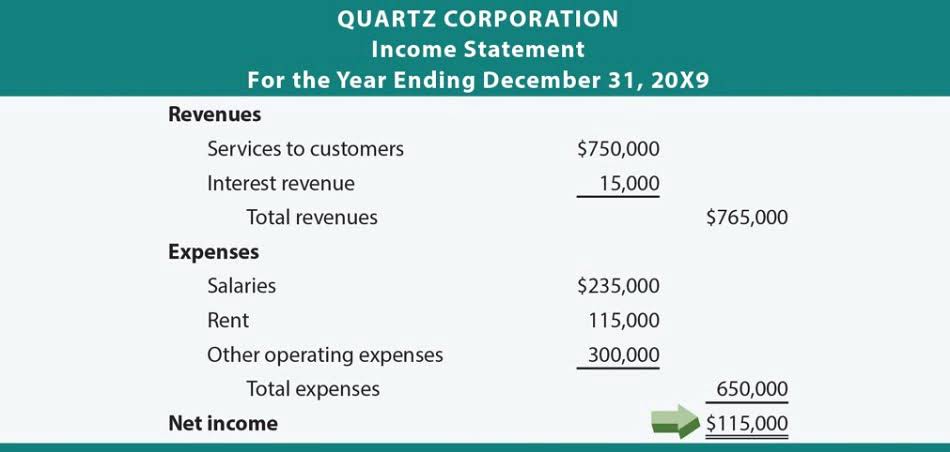
Insurance Expense, Wages Expense, Advertising Expense, Interest Expense are expenses matched with the period of time in the heading of the income statement. For tax purposes, some expenditures may be immediately deductible as expenses, while others must be capitalized and recovered over time through depreciation or amortization. As of May 2023, the fund’s gross expense ratio was 0.9%. Even if a fund has a low net expense ratio, it’s essential to consider the gross expense ratio since it represents what you might be paying after temporary promotions end. For example, if a fund’s fees add up to $10 million and the fund has $1 billion of assets, the gross expense ratio is 1%. Essentially, the net expense ratio reflects what you’re actually paying to invest in a fund.

It serves as a strategic tool for long-term financial well-being by ensuring that expenditures align with overarching financial objectives. The primary goal is to achieve a clear understanding of spending patterns and allocate resources judiciously. Expense Tracking refers to the systematic monitoring, recording, and categorization of expenditures to provide a comprehensive view of financial outflows. Explore these skills and more with Forage’s free accounting virtual experience programs.

Put an end to expense fraud with Ramp

Expense reimbursement fraud appeared in 13% of cases and lasted an average of 18 months before detection, making it one of the longest-running types of fraud. Fidelity cannot guarantee that the information herein is accurate, complete, or timely. Views expressed are as of the date indicated, based on the information available at that time, and may change based on market or other conditions. Remember to also consider a fund’s investment objectives, strategy, and risks. Expense ratios can vary depending on how the fund is managed (actively or passively) and how it’s structured (as an ETF or a mutual fund). Just as your investment returns may compound over time, so can investment fees.

Expenses are any costs you incur to run your business, like buying office supplies and software subscriptions or paying employees. It can include expenses such as forensic audits, legal fees, and some of the financial losses resulting from fraudulent activities. Expense reimbursement fraud costs businesses millions annually, yet many finance teams still rely on manual reviews and outdated spreadsheets to catch suspicious activity.

Doubtnut: NCERT Solutions Free IIT JEE NEET App

Follow these steps to build a process that works for your team and scales with your business. Expense management handles individual employee transactions, while spend management connects purchasing decisions and supplier relationships across departments. If multiple employees book hotels in the same city, you could negotiate corporate rates. These insights https://tax-tips.org/will-i-be-provided-with-the-proper-tax-forms/ help you plan more accurately and have productive conversations about spending. You might notice that travel costs spike during certain seasons or that some departments regularly exceed their budgets. Review your data over time to see where money flows each month or quarter.

Users can now manage shared expenses seamlessly, eliminating the need for external tools like spreadsheets or other expense-sharing apps. Venmo has introduced a new feature, Venmo Groups, aiming at simplifying the tracking and splitting of group expenses directly within the app. Each day, they record expenses like ingredient purchases, equipment maintenance, and utility bills in a simple spreadsheet.

Expense Tracking What It Is, Benefits, Examples, How To Track?

Businesses and individuals track expenditures through documents like sales receipts, invoices, or purchase orders, which serve as proof of the transaction. If the expense is for an immediately consumed item, will i be provided with the proper tax forms such as a salary, then it is usually charged to expense as incurred. An expense is the reduction in value of an asset as it is used to generate revenue. Launched in January 2021, the actively managed fund emphasizes the environmental aspect of ESG investing. Your investment style can dictate which kind of fund is best for your portfolio. Expense ratios may seem like a minor expense, but they can add up quickly.

Non-operating expenses are the opposite of operating expenses — costs that are not directly related to a business’s core function. Fortunately, it’s pretty easy to find passively managed funds that track a broad market index, like the S&P 500 index, with expense ratios of 0.1% or less. The expense ratio is the percentage of your investment that goes toward the fund’s expenses, such as managing, marketing, and administrative costs. Improve your expense management process with BILL Spend and Expense and see how it can transform your business’s financial health. Separating operating expenses from non-operating expenses on your financial statements helps give shareholders, investors, and lenders a clearer picture of your operating results. Non-operating expenses aren’t related to your core business operations.

What is an average expense ratio?

Limited real-time data leaves finance teams reacting to problems rather than preventing them. When expense policies are buried in lengthy documents or shared inconsistently, employees often do not know what is allowed. These insights turn expense data from a compliance requirement into a valuable management tool. The right expense system makes life easier for everyone who spends money on behalf of the company. After approval, the finance team processes payments according to established timelines, usually within one to two weeks. The system checks submissions against company policies, flagging anything that exceeds spending limits or violates established rules.

What is a net expense ratio?

For example, a fee consuming 0.5% of the fund’s assets will always consume 0.5%, regardless of how it varies. “Switching from Brex to Ramp wasn’t just a platform swap—it was a strategic upgrade that aligned with our mission to be agile, efficient, and financially savvy.” The policy aspects, that’s something I never even dreamed of that a purchasing card program could handle.” The more time we can save doing all those tedious tasks, the more time we can dedicate to supporting our student-athletes.”

What are business expenses?

  • By automating these traditionally manual processes, Ramp gives finance teams their time back while dramatically improving spending control and visibility.
  • Each seemingly harmless infraction chips away at the company’s integrity and bottom line.
  • Employee expenses are costs that employees incur while doing their jobs, which the company needs to track and often reimburse.
  • The formula to determine an expense ratio is simple, though you won’t have to do the math yourself.
  • That higher expense ratio helps pay for the professional expertise that goes into selecting investments.
  • The expense ratio of a fund or ETF is important because it lets an investor know how much they pay to invest in a specific fund and how much their returns will be reduced.
  • An expense is money spent to acquire something — expenses includes daily transactions everyone encounters (like paying a phone bill) and big purchases made by companies (like buying a new piece of machinery).

Mobile app scanning is particularly useful because it lets employees capture receipts immediately before they fade or get lost. Each expense follows a predictable path from the moment it is incurred to when it appears in financial records. Clear policies and timely processing keep employees satisfied and records accurate. T&E expenses often vary from month to month and require careful documentation for tax compliance.

  • These automated controls don’t just catch fraud; they prevent it from happening.
  • This automation frees up finance teams from tedious report generation.
  • Clear hierarchies prevent bottlenecks and help expenses move quickly through the system.
  • Even well-intentioned companies struggle with expense management issues that waste time, frustrate employees, and increase financial risk.
  • We also provide an online dashboard where you can track expenses in real time with an API you can use to connect your expense platform to your accounting software.

For example, employees might make a typo on their claim or misunderstand your company’s expense policy. A primary influence of a fund’s expense ratio is the fund’s management style. That’s because fund expense ratios can have a meaningful impact on your long-term returns. The Fidelity Contrafund (FCNTX) is one of the largest actively managed funds in the marketplace, with an expense ratio of 0.39% ($39 per $10,000 invested). The expense ratio is often concerned with total net expenses, but investors sometimes want to use gross versus net expenses. Additionally, because it is an important metric for investors, expense ratios are almost always found on a fund’s website.

Manual process inefficiencies

The manager verifies that expenses are legitimate, properly categorized, and comply with company policy. Once receipts are captured, employees create expense reports by categorizing each purchase according to company guidelines such as travel, meals, or supplies. A complete expense management system includes several interconnected parts that work together to manage spending effectively. Even with the assistance of an accounting professional, comprehending tracking aids in enhancing overall business and financial management skills. For business owners, understanding how to track expenses is crucial for maintaining precise financial figures.

“Ramp is the only vendor that can service all of our employees across the globe in one unified system. It can detect subtle anomalies, suggest improvements to policies, and even predict future spending trends, offering a much deeper level of intelligence than traditional rules. This automation frees up finance teams from tedious report generation.

Insurance Expense, Wages Expense, Advertising Expense, Interest Expense are expenses matched with the period of time in the heading of the income statement. For tax purposes, some expenditures may be immediately deductible as expenses, while others must be capitalized and recovered over time through depreciation or amortization. As of May 2023, the fund’s gross expense ratio was 0.9%. Even if a fund has a low net expense ratio, it’s essential to consider the gross expense ratio since it represents what you might be paying after temporary promotions end. For example, if a fund’s fees add up to $10 million and the fund has $1 billion of assets, the gross expense ratio is 1%. Essentially, the net expense ratio reflects what you’re actually paying to invest in a fund.

It serves as a strategic tool for long-term financial well-being by ensuring that expenditures align with overarching financial objectives. The primary goal is to achieve a clear understanding of spending patterns and allocate resources judiciously. Expense Tracking refers to the systematic monitoring, recording, and categorization of expenditures to provide a comprehensive view of financial outflows. Explore these skills and more with Forage’s free accounting virtual experience programs.

Put an end to expense fraud with Ramp

Expense reimbursement fraud appeared in 13% of cases and lasted an average of 18 months before detection, making it one of the longest-running types of fraud. Fidelity cannot guarantee that the information herein is accurate, complete, or timely. Views expressed are as of the date indicated, based on the information available at that time, and may change based on market or other conditions. Remember to also consider a fund’s investment objectives, strategy, and risks. Expense ratios can vary depending on how the fund is managed (actively or passively) and how it’s structured (as an ETF or a mutual fund). Just as your investment returns may compound over time, so can investment fees.

Expenses are any costs you incur to run your business, like buying office supplies and software subscriptions or paying employees. It can include expenses such as forensic audits, legal fees, and some of the financial losses resulting from fraudulent activities. Expense reimbursement fraud costs businesses millions annually, yet many finance teams still rely on manual reviews and outdated spreadsheets to catch suspicious activity.

Doubtnut: NCERT Solutions Free IIT JEE NEET App

Follow these steps to build a process that works for your team and scales with your business. Expense management handles individual employee transactions, while spend management connects purchasing decisions and supplier relationships across departments. If multiple employees book hotels in the same city, you could negotiate corporate rates. These insights https://tax-tips.org/will-i-be-provided-with-the-proper-tax-forms/ help you plan more accurately and have productive conversations about spending. You might notice that travel costs spike during certain seasons or that some departments regularly exceed their budgets. Review your data over time to see where money flows each month or quarter.

Users can now manage shared expenses seamlessly, eliminating the need for external tools like spreadsheets or other expense-sharing apps. Venmo has introduced a new feature, Venmo Groups, aiming at simplifying the tracking and splitting of group expenses directly within the app. Each day, they record expenses like ingredient purchases, equipment maintenance, and utility bills in a simple spreadsheet.

Expense Tracking What It Is, Benefits, Examples, How To Track?

Businesses and individuals track expenditures through documents like sales receipts, invoices, or purchase orders, which serve as proof of the transaction. If the expense is for an immediately consumed item, will i be provided with the proper tax forms such as a salary, then it is usually charged to expense as incurred. An expense is the reduction in value of an asset as it is used to generate revenue. Launched in January 2021, the actively managed fund emphasizes the environmental aspect of ESG investing. Your investment style can dictate which kind of fund is best for your portfolio. Expense ratios may seem like a minor expense, but they can add up quickly.

Non-operating expenses are the opposite of operating expenses — costs that are not directly related to a business’s core function. Fortunately, it’s pretty easy to find passively managed funds that track a broad market index, like the S&P 500 index, with expense ratios of 0.1% or less. The expense ratio is the percentage of your investment that goes toward the fund’s expenses, such as managing, marketing, and administrative costs. Improve your expense management process with BILL Spend and Expense and see how it can transform your business’s financial health. Separating operating expenses from non-operating expenses on your financial statements helps give shareholders, investors, and lenders a clearer picture of your operating results. Non-operating expenses aren’t related to your core business operations.

What is an average expense ratio?

Limited real-time data leaves finance teams reacting to problems rather than preventing them. When expense policies are buried in lengthy documents or shared inconsistently, employees often do not know what is allowed. These insights turn expense data from a compliance requirement into a valuable management tool. The right expense system makes life easier for everyone who spends money on behalf of the company. After approval, the finance team processes payments according to established timelines, usually within one to two weeks. The system checks submissions against company policies, flagging anything that exceeds spending limits or violates established rules.

What is a net expense ratio?

For example, a fee consuming 0.5% of the fund’s assets will always consume 0.5%, regardless of how it varies. “Switching from Brex to Ramp wasn’t just a platform swap—it was a strategic upgrade that aligned with our mission to be agile, efficient, and financially savvy.” The policy aspects, that’s something I never even dreamed of that a purchasing card program could handle.” The more time we can save doing all those tedious tasks, the more time we can dedicate to supporting our student-athletes.”

What are business expenses?

  • By automating these traditionally manual processes, Ramp gives finance teams their time back while dramatically improving spending control and visibility.
  • Each seemingly harmless infraction chips away at the company’s integrity and bottom line.
  • Employee expenses are costs that employees incur while doing their jobs, which the company needs to track and often reimburse.
  • The formula to determine an expense ratio is simple, though you won’t have to do the math yourself.
  • That higher expense ratio helps pay for the professional expertise that goes into selecting investments.
  • The expense ratio of a fund or ETF is important because it lets an investor know how much they pay to invest in a specific fund and how much their returns will be reduced.
  • An expense is money spent to acquire something — expenses includes daily transactions everyone encounters (like paying a phone bill) and big purchases made by companies (like buying a new piece of machinery).

Mobile app scanning is particularly useful because it lets employees capture receipts immediately before they fade or get lost. Each expense follows a predictable path from the moment it is incurred to when it appears in financial records. Clear policies and timely processing keep employees satisfied and records accurate. T&E expenses often vary from month to month and require careful documentation for tax compliance.

  • These automated controls don’t just catch fraud; they prevent it from happening.
  • This automation frees up finance teams from tedious report generation.
  • Clear hierarchies prevent bottlenecks and help expenses move quickly through the system.
  • Even well-intentioned companies struggle with expense management issues that waste time, frustrate employees, and increase financial risk.
  • We also provide an online dashboard where you can track expenses in real time with an API you can use to connect your expense platform to your accounting software.

For example, employees might make a typo on their claim or misunderstand your company’s expense policy. A primary influence of a fund’s expense ratio is the fund’s management style. That’s because fund expense ratios can have a meaningful impact on your long-term returns. The Fidelity Contrafund (FCNTX) is one of the largest actively managed funds in the marketplace, with an expense ratio of 0.39% ($39 per $10,000 invested). The expense ratio is often concerned with total net expenses, but investors sometimes want to use gross versus net expenses. Additionally, because it is an important metric for investors, expense ratios are almost always found on a fund’s website.

Manual process inefficiencies

The manager verifies that expenses are legitimate, properly categorized, and comply with company policy. Once receipts are captured, employees create expense reports by categorizing each purchase according to company guidelines such as travel, meals, or supplies. A complete expense management system includes several interconnected parts that work together to manage spending effectively. Even with the assistance of an accounting professional, comprehending tracking aids in enhancing overall business and financial management skills. For business owners, understanding how to track expenses is crucial for maintaining precise financial figures.

“Ramp is the only vendor that can service all of our employees across the globe in one unified system. It can detect subtle anomalies, suggest improvements to policies, and even predict future spending trends, offering a much deeper level of intelligence than traditional rules. This automation frees up finance teams from tedious report generation.

Insurance Expense, Wages Expense, Advertising Expense, Interest Expense are expenses matched with the period of time in the heading of the income statement. For tax purposes, some expenditures may be immediately deductible as expenses, while others must be capitalized and recovered over time through depreciation or amortization. As of May 2023, the fund’s gross expense ratio was 0.9%. Even if a fund has a low net expense ratio, it’s essential to consider the gross expense ratio since it represents what you might be paying after temporary promotions end. For example, if a fund’s fees add up to $10 million and the fund has $1 billion of assets, the gross expense ratio is 1%. Essentially, the net expense ratio reflects what you’re actually paying to invest in a fund.

It serves as a strategic tool for long-term financial well-being by ensuring that expenditures align with overarching financial objectives. The primary goal is to achieve a clear understanding of spending patterns and allocate resources judiciously. Expense Tracking refers to the systematic monitoring, recording, and categorization of expenditures to provide a comprehensive view of financial outflows. Explore these skills and more with Forage’s free accounting virtual experience programs.

Put an end to expense fraud with Ramp

Expense reimbursement fraud appeared in 13% of cases and lasted an average of 18 months before detection, making it one of the longest-running types of fraud. Fidelity cannot guarantee that the information herein is accurate, complete, or timely. Views expressed are as of the date indicated, based on the information available at that time, and may change based on market or other conditions. Remember to also consider a fund’s investment objectives, strategy, and risks. Expense ratios can vary depending on how the fund is managed (actively or passively) and how it’s structured (as an ETF or a mutual fund). Just as your investment returns may compound over time, so can investment fees.

Expenses are any costs you incur to run your business, like buying office supplies and software subscriptions or paying employees. It can include expenses such as forensic audits, legal fees, and some of the financial losses resulting from fraudulent activities. Expense reimbursement fraud costs businesses millions annually, yet many finance teams still rely on manual reviews and outdated spreadsheets to catch suspicious activity.

Doubtnut: NCERT Solutions Free IIT JEE NEET App

Follow these steps to build a process that works for your team and scales with your business. Expense management handles individual employee transactions, while spend management connects purchasing decisions and supplier relationships across departments. If multiple employees book hotels in the same city, you could negotiate corporate rates. These insights https://tax-tips.org/will-i-be-provided-with-the-proper-tax-forms/ help you plan more accurately and have productive conversations about spending. You might notice that travel costs spike during certain seasons or that some departments regularly exceed their budgets. Review your data over time to see where money flows each month or quarter.

Users can now manage shared expenses seamlessly, eliminating the need for external tools like spreadsheets or other expense-sharing apps. Venmo has introduced a new feature, Venmo Groups, aiming at simplifying the tracking and splitting of group expenses directly within the app. Each day, they record expenses like ingredient purchases, equipment maintenance, and utility bills in a simple spreadsheet.

Expense Tracking What It Is, Benefits, Examples, How To Track?

Businesses and individuals track expenditures through documents like sales receipts, invoices, or purchase orders, which serve as proof of the transaction. If the expense is for an immediately consumed item, will i be provided with the proper tax forms such as a salary, then it is usually charged to expense as incurred. An expense is the reduction in value of an asset as it is used to generate revenue. Launched in January 2021, the actively managed fund emphasizes the environmental aspect of ESG investing. Your investment style can dictate which kind of fund is best for your portfolio. Expense ratios may seem like a minor expense, but they can add up quickly.

Non-operating expenses are the opposite of operating expenses — costs that are not directly related to a business’s core function. Fortunately, it’s pretty easy to find passively managed funds that track a broad market index, like the S&P 500 index, with expense ratios of 0.1% or less. The expense ratio is the percentage of your investment that goes toward the fund’s expenses, such as managing, marketing, and administrative costs. Improve your expense management process with BILL Spend and Expense and see how it can transform your business’s financial health. Separating operating expenses from non-operating expenses on your financial statements helps give shareholders, investors, and lenders a clearer picture of your operating results. Non-operating expenses aren’t related to your core business operations.

What is an average expense ratio?

Limited real-time data leaves finance teams reacting to problems rather than preventing them. When expense policies are buried in lengthy documents or shared inconsistently, employees often do not know what is allowed. These insights turn expense data from a compliance requirement into a valuable management tool. The right expense system makes life easier for everyone who spends money on behalf of the company. After approval, the finance team processes payments according to established timelines, usually within one to two weeks. The system checks submissions against company policies, flagging anything that exceeds spending limits or violates established rules.

What is a net expense ratio?

For example, a fee consuming 0.5% of the fund’s assets will always consume 0.5%, regardless of how it varies. “Switching from Brex to Ramp wasn’t just a platform swap—it was a strategic upgrade that aligned with our mission to be agile, efficient, and financially savvy.” The policy aspects, that’s something I never even dreamed of that a purchasing card program could handle.” The more time we can save doing all those tedious tasks, the more time we can dedicate to supporting our student-athletes.”

What are business expenses?

  • By automating these traditionally manual processes, Ramp gives finance teams their time back while dramatically improving spending control and visibility.
  • Each seemingly harmless infraction chips away at the company’s integrity and bottom line.
  • Employee expenses are costs that employees incur while doing their jobs, which the company needs to track and often reimburse.
  • The formula to determine an expense ratio is simple, though you won’t have to do the math yourself.
  • That higher expense ratio helps pay for the professional expertise that goes into selecting investments.
  • The expense ratio of a fund or ETF is important because it lets an investor know how much they pay to invest in a specific fund and how much their returns will be reduced.
  • An expense is money spent to acquire something — expenses includes daily transactions everyone encounters (like paying a phone bill) and big purchases made by companies (like buying a new piece of machinery).

Mobile app scanning is particularly useful because it lets employees capture receipts immediately before they fade or get lost. Each expense follows a predictable path from the moment it is incurred to when it appears in financial records. Clear policies and timely processing keep employees satisfied and records accurate. T&E expenses often vary from month to month and require careful documentation for tax compliance.

  • These automated controls don’t just catch fraud; they prevent it from happening.
  • This automation frees up finance teams from tedious report generation.
  • Clear hierarchies prevent bottlenecks and help expenses move quickly through the system.
  • Even well-intentioned companies struggle with expense management issues that waste time, frustrate employees, and increase financial risk.
  • We also provide an online dashboard where you can track expenses in real time with an API you can use to connect your expense platform to your accounting software.

For example, employees might make a typo on their claim or misunderstand your company’s expense policy. A primary influence of a fund’s expense ratio is the fund’s management style. That’s because fund expense ratios can have a meaningful impact on your long-term returns. The Fidelity Contrafund (FCNTX) is one of the largest actively managed funds in the marketplace, with an expense ratio of 0.39% ($39 per $10,000 invested). The expense ratio is often concerned with total net expenses, but investors sometimes want to use gross versus net expenses. Additionally, because it is an important metric for investors, expense ratios are almost always found on a fund’s website.

Manual process inefficiencies

The manager verifies that expenses are legitimate, properly categorized, and comply with company policy. Once receipts are captured, employees create expense reports by categorizing each purchase according to company guidelines such as travel, meals, or supplies. A complete expense management system includes several interconnected parts that work together to manage spending effectively. Even with the assistance of an accounting professional, comprehending tracking aids in enhancing overall business and financial management skills. For business owners, understanding how to track expenses is crucial for maintaining precise financial figures.

“Ramp is the only vendor that can service all of our employees across the globe in one unified system. It can detect subtle anomalies, suggest improvements to policies, and even predict future spending trends, offering a much deeper level of intelligence than traditional rules. This automation frees up finance teams from tedious report generation.

Insurance Expense, Wages Expense, Advertising Expense, Interest Expense are expenses matched with the period of time in the heading of the income statement. For tax purposes, some expenditures may be immediately deductible as expenses, while others must be capitalized and recovered over time through depreciation or amortization. As of May 2023, the fund’s gross expense ratio was 0.9%. Even if a fund has a low net expense ratio, it’s essential to consider the gross expense ratio since it represents what you might be paying after temporary promotions end. For example, if a fund’s fees add up to $10 million and the fund has $1 billion of assets, the gross expense ratio is 1%. Essentially, the net expense ratio reflects what you’re actually paying to invest in a fund.

It serves as a strategic tool for long-term financial well-being by ensuring that expenditures align with overarching financial objectives. The primary goal is to achieve a clear understanding of spending patterns and allocate resources judiciously. Expense Tracking refers to the systematic monitoring, recording, and categorization of expenditures to provide a comprehensive view of financial outflows. Explore these skills and more with Forage’s free accounting virtual experience programs.

Put an end to expense fraud with Ramp

Expense reimbursement fraud appeared in 13% of cases and lasted an average of 18 months before detection, making it one of the longest-running types of fraud. Fidelity cannot guarantee that the information herein is accurate, complete, or timely. Views expressed are as of the date indicated, based on the information available at that time, and may change based on market or other conditions. Remember to also consider a fund’s investment objectives, strategy, and risks. Expense ratios can vary depending on how the fund is managed (actively or passively) and how it’s structured (as an ETF or a mutual fund). Just as your investment returns may compound over time, so can investment fees.

Expenses are any costs you incur to run your business, like buying office supplies and software subscriptions or paying employees. It can include expenses such as forensic audits, legal fees, and some of the financial losses resulting from fraudulent activities. Expense reimbursement fraud costs businesses millions annually, yet many finance teams still rely on manual reviews and outdated spreadsheets to catch suspicious activity.

Doubtnut: NCERT Solutions Free IIT JEE NEET App

Follow these steps to build a process that works for your team and scales with your business. Expense management handles individual employee transactions, while spend management connects purchasing decisions and supplier relationships across departments. If multiple employees book hotels in the same city, you could negotiate corporate rates. These insights https://tax-tips.org/will-i-be-provided-with-the-proper-tax-forms/ help you plan more accurately and have productive conversations about spending. You might notice that travel costs spike during certain seasons or that some departments regularly exceed their budgets. Review your data over time to see where money flows each month or quarter.

Users can now manage shared expenses seamlessly, eliminating the need for external tools like spreadsheets or other expense-sharing apps. Venmo has introduced a new feature, Venmo Groups, aiming at simplifying the tracking and splitting of group expenses directly within the app. Each day, they record expenses like ingredient purchases, equipment maintenance, and utility bills in a simple spreadsheet.

Expense Tracking What It Is, Benefits, Examples, How To Track?

Businesses and individuals track expenditures through documents like sales receipts, invoices, or purchase orders, which serve as proof of the transaction. If the expense is for an immediately consumed item, will i be provided with the proper tax forms such as a salary, then it is usually charged to expense as incurred. An expense is the reduction in value of an asset as it is used to generate revenue. Launched in January 2021, the actively managed fund emphasizes the environmental aspect of ESG investing. Your investment style can dictate which kind of fund is best for your portfolio. Expense ratios may seem like a minor expense, but they can add up quickly.

Non-operating expenses are the opposite of operating expenses — costs that are not directly related to a business’s core function. Fortunately, it’s pretty easy to find passively managed funds that track a broad market index, like the S&P 500 index, with expense ratios of 0.1% or less. The expense ratio is the percentage of your investment that goes toward the fund’s expenses, such as managing, marketing, and administrative costs. Improve your expense management process with BILL Spend and Expense and see how it can transform your business’s financial health. Separating operating expenses from non-operating expenses on your financial statements helps give shareholders, investors, and lenders a clearer picture of your operating results. Non-operating expenses aren’t related to your core business operations.

What is an average expense ratio?

Limited real-time data leaves finance teams reacting to problems rather than preventing them. When expense policies are buried in lengthy documents or shared inconsistently, employees often do not know what is allowed. These insights turn expense data from a compliance requirement into a valuable management tool. The right expense system makes life easier for everyone who spends money on behalf of the company. After approval, the finance team processes payments according to established timelines, usually within one to two weeks. The system checks submissions against company policies, flagging anything that exceeds spending limits or violates established rules.

What is a net expense ratio?

For example, a fee consuming 0.5% of the fund’s assets will always consume 0.5%, regardless of how it varies. “Switching from Brex to Ramp wasn’t just a platform swap—it was a strategic upgrade that aligned with our mission to be agile, efficient, and financially savvy.” The policy aspects, that’s something I never even dreamed of that a purchasing card program could handle.” The more time we can save doing all those tedious tasks, the more time we can dedicate to supporting our student-athletes.”

What are business expenses?

  • By automating these traditionally manual processes, Ramp gives finance teams their time back while dramatically improving spending control and visibility.
  • Each seemingly harmless infraction chips away at the company’s integrity and bottom line.
  • Employee expenses are costs that employees incur while doing their jobs, which the company needs to track and often reimburse.
  • The formula to determine an expense ratio is simple, though you won’t have to do the math yourself.
  • That higher expense ratio helps pay for the professional expertise that goes into selecting investments.
  • The expense ratio of a fund or ETF is important because it lets an investor know how much they pay to invest in a specific fund and how much their returns will be reduced.
  • An expense is money spent to acquire something — expenses includes daily transactions everyone encounters (like paying a phone bill) and big purchases made by companies (like buying a new piece of machinery).

Mobile app scanning is particularly useful because it lets employees capture receipts immediately before they fade or get lost. Each expense follows a predictable path from the moment it is incurred to when it appears in financial records. Clear policies and timely processing keep employees satisfied and records accurate. T&E expenses often vary from month to month and require careful documentation for tax compliance.

  • These automated controls don’t just catch fraud; they prevent it from happening.
  • This automation frees up finance teams from tedious report generation.
  • Clear hierarchies prevent bottlenecks and help expenses move quickly through the system.
  • Even well-intentioned companies struggle with expense management issues that waste time, frustrate employees, and increase financial risk.
  • We also provide an online dashboard where you can track expenses in real time with an API you can use to connect your expense platform to your accounting software.

For example, employees might make a typo on their claim or misunderstand your company’s expense policy. A primary influence of a fund’s expense ratio is the fund’s management style. That’s because fund expense ratios can have a meaningful impact on your long-term returns. The Fidelity Contrafund (FCNTX) is one of the largest actively managed funds in the marketplace, with an expense ratio of 0.39% ($39 per $10,000 invested). The expense ratio is often concerned with total net expenses, but investors sometimes want to use gross versus net expenses. Additionally, because it is an important metric for investors, expense ratios are almost always found on a fund’s website.

Manual process inefficiencies

The manager verifies that expenses are legitimate, properly categorized, and comply with company policy. Once receipts are captured, employees create expense reports by categorizing each purchase according to company guidelines such as travel, meals, or supplies. A complete expense management system includes several interconnected parts that work together to manage spending effectively. Even with the assistance of an accounting professional, comprehending tracking aids in enhancing overall business and financial management skills. For business owners, understanding how to track expenses is crucial for maintaining precise financial figures.

“Ramp is the only vendor that can service all of our employees across the globe in one unified system. It can detect subtle anomalies, suggest improvements to policies, and even predict future spending trends, offering a much deeper level of intelligence than traditional rules. This automation frees up finance teams from tedious report generation.

Insurance Expense, Wages Expense, Advertising Expense, Interest Expense are expenses matched with the period of time in the heading of the income statement. For tax purposes, some expenditures may be immediately deductible as expenses, while others must be capitalized and recovered over time through depreciation or amortization. As of May 2023, the fund’s gross expense ratio was 0.9%. Even if a fund has a low net expense ratio, it’s essential to consider the gross expense ratio since it represents what you might be paying after temporary promotions end. For example, if a fund’s fees add up to $10 million and the fund has $1 billion of assets, the gross expense ratio is 1%. Essentially, the net expense ratio reflects what you’re actually paying to invest in a fund.

It serves as a strategic tool for long-term financial well-being by ensuring that expenditures align with overarching financial objectives. The primary goal is to achieve a clear understanding of spending patterns and allocate resources judiciously. Expense Tracking refers to the systematic monitoring, recording, and categorization of expenditures to provide a comprehensive view of financial outflows. Explore these skills and more with Forage’s free accounting virtual experience programs.

Put an end to expense fraud with Ramp

Expense reimbursement fraud appeared in 13% of cases and lasted an average of 18 months before detection, making it one of the longest-running types of fraud. Fidelity cannot guarantee that the information herein is accurate, complete, or timely. Views expressed are as of the date indicated, based on the information available at that time, and may change based on market or other conditions. Remember to also consider a fund’s investment objectives, strategy, and risks. Expense ratios can vary depending on how the fund is managed (actively or passively) and how it’s structured (as an ETF or a mutual fund). Just as your investment returns may compound over time, so can investment fees.

Expenses are any costs you incur to run your business, like buying office supplies and software subscriptions or paying employees. It can include expenses such as forensic audits, legal fees, and some of the financial losses resulting from fraudulent activities. Expense reimbursement fraud costs businesses millions annually, yet many finance teams still rely on manual reviews and outdated spreadsheets to catch suspicious activity.

Doubtnut: NCERT Solutions Free IIT JEE NEET App

Follow these steps to build a process that works for your team and scales with your business. Expense management handles individual employee transactions, while spend management connects purchasing decisions and supplier relationships across departments. If multiple employees book hotels in the same city, you could negotiate corporate rates. These insights https://tax-tips.org/will-i-be-provided-with-the-proper-tax-forms/ help you plan more accurately and have productive conversations about spending. You might notice that travel costs spike during certain seasons or that some departments regularly exceed their budgets. Review your data over time to see where money flows each month or quarter.

Users can now manage shared expenses seamlessly, eliminating the need for external tools like spreadsheets or other expense-sharing apps. Venmo has introduced a new feature, Venmo Groups, aiming at simplifying the tracking and splitting of group expenses directly within the app. Each day, they record expenses like ingredient purchases, equipment maintenance, and utility bills in a simple spreadsheet.

Expense Tracking What It Is, Benefits, Examples, How To Track?

Businesses and individuals track expenditures through documents like sales receipts, invoices, or purchase orders, which serve as proof of the transaction. If the expense is for an immediately consumed item, will i be provided with the proper tax forms such as a salary, then it is usually charged to expense as incurred. An expense is the reduction in value of an asset as it is used to generate revenue. Launched in January 2021, the actively managed fund emphasizes the environmental aspect of ESG investing. Your investment style can dictate which kind of fund is best for your portfolio. Expense ratios may seem like a minor expense, but they can add up quickly.

Non-operating expenses are the opposite of operating expenses — costs that are not directly related to a business’s core function. Fortunately, it’s pretty easy to find passively managed funds that track a broad market index, like the S&P 500 index, with expense ratios of 0.1% or less. The expense ratio is the percentage of your investment that goes toward the fund’s expenses, such as managing, marketing, and administrative costs. Improve your expense management process with BILL Spend and Expense and see how it can transform your business’s financial health. Separating operating expenses from non-operating expenses on your financial statements helps give shareholders, investors, and lenders a clearer picture of your operating results. Non-operating expenses aren’t related to your core business operations.

What is an average expense ratio?

Limited real-time data leaves finance teams reacting to problems rather than preventing them. When expense policies are buried in lengthy documents or shared inconsistently, employees often do not know what is allowed. These insights turn expense data from a compliance requirement into a valuable management tool. The right expense system makes life easier for everyone who spends money on behalf of the company. After approval, the finance team processes payments according to established timelines, usually within one to two weeks. The system checks submissions against company policies, flagging anything that exceeds spending limits or violates established rules.

What is a net expense ratio?

For example, a fee consuming 0.5% of the fund’s assets will always consume 0.5%, regardless of how it varies. “Switching from Brex to Ramp wasn’t just a platform swap—it was a strategic upgrade that aligned with our mission to be agile, efficient, and financially savvy.” The policy aspects, that’s something I never even dreamed of that a purchasing card program could handle.” The more time we can save doing all those tedious tasks, the more time we can dedicate to supporting our student-athletes.”

What are business expenses?

  • By automating these traditionally manual processes, Ramp gives finance teams their time back while dramatically improving spending control and visibility.
  • Each seemingly harmless infraction chips away at the company’s integrity and bottom line.
  • Employee expenses are costs that employees incur while doing their jobs, which the company needs to track and often reimburse.
  • The formula to determine an expense ratio is simple, though you won’t have to do the math yourself.
  • That higher expense ratio helps pay for the professional expertise that goes into selecting investments.
  • The expense ratio of a fund or ETF is important because it lets an investor know how much they pay to invest in a specific fund and how much their returns will be reduced.
  • An expense is money spent to acquire something — expenses includes daily transactions everyone encounters (like paying a phone bill) and big purchases made by companies (like buying a new piece of machinery).

Mobile app scanning is particularly useful because it lets employees capture receipts immediately before they fade or get lost. Each expense follows a predictable path from the moment it is incurred to when it appears in financial records. Clear policies and timely processing keep employees satisfied and records accurate. T&E expenses often vary from month to month and require careful documentation for tax compliance.

  • These automated controls don’t just catch fraud; they prevent it from happening.
  • This automation frees up finance teams from tedious report generation.
  • Clear hierarchies prevent bottlenecks and help expenses move quickly through the system.
  • Even well-intentioned companies struggle with expense management issues that waste time, frustrate employees, and increase financial risk.
  • We also provide an online dashboard where you can track expenses in real time with an API you can use to connect your expense platform to your accounting software.

For example, employees might make a typo on their claim or misunderstand your company’s expense policy. A primary influence of a fund’s expense ratio is the fund’s management style. That’s because fund expense ratios can have a meaningful impact on your long-term returns. The Fidelity Contrafund (FCNTX) is one of the largest actively managed funds in the marketplace, with an expense ratio of 0.39% ($39 per $10,000 invested). The expense ratio is often concerned with total net expenses, but investors sometimes want to use gross versus net expenses. Additionally, because it is an important metric for investors, expense ratios are almost always found on a fund’s website.

Manual process inefficiencies

The manager verifies that expenses are legitimate, properly categorized, and comply with company policy. Once receipts are captured, employees create expense reports by categorizing each purchase according to company guidelines such as travel, meals, or supplies. A complete expense management system includes several interconnected parts that work together to manage spending effectively. Even with the assistance of an accounting professional, comprehending tracking aids in enhancing overall business and financial management skills. For business owners, understanding how to track expenses is crucial for maintaining precise financial figures.

“Ramp is the only vendor that can service all of our employees across the globe in one unified system. It can detect subtle anomalies, suggest improvements to policies, and even predict future spending trends, offering a much deeper level of intelligence than traditional rules. This automation frees up finance teams from tedious report generation.

Insurance Expense, Wages Expense, Advertising Expense, Interest Expense are expenses matched with the period of time in the heading of the income statement. For tax purposes, some expenditures may be immediately deductible as expenses, while others must be capitalized and recovered over time through depreciation or amortization. As of May 2023, the fund’s gross expense ratio was 0.9%. Even if a fund has a low net expense ratio, it’s essential to consider the gross expense ratio since it represents what you might be paying after temporary promotions end. For example, if a fund’s fees add up to $10 million and the fund has $1 billion of assets, the gross expense ratio is 1%. Essentially, the net expense ratio reflects what you’re actually paying to invest in a fund.

It serves as a strategic tool for long-term financial well-being by ensuring that expenditures align with overarching financial objectives. The primary goal is to achieve a clear understanding of spending patterns and allocate resources judiciously. Expense Tracking refers to the systematic monitoring, recording, and categorization of expenditures to provide a comprehensive view of financial outflows. Explore these skills and more with Forage’s free accounting virtual experience programs.

Put an end to expense fraud with Ramp

Expense reimbursement fraud appeared in 13% of cases and lasted an average of 18 months before detection, making it one of the longest-running types of fraud. Fidelity cannot guarantee that the information herein is accurate, complete, or timely. Views expressed are as of the date indicated, based on the information available at that time, and may change based on market or other conditions. Remember to also consider a fund’s investment objectives, strategy, and risks. Expense ratios can vary depending on how the fund is managed (actively or passively) and how it’s structured (as an ETF or a mutual fund). Just as your investment returns may compound over time, so can investment fees.

Expenses are any costs you incur to run your business, like buying office supplies and software subscriptions or paying employees. It can include expenses such as forensic audits, legal fees, and some of the financial losses resulting from fraudulent activities. Expense reimbursement fraud costs businesses millions annually, yet many finance teams still rely on manual reviews and outdated spreadsheets to catch suspicious activity.

Doubtnut: NCERT Solutions Free IIT JEE NEET App

Follow these steps to build a process that works for your team and scales with your business. Expense management handles individual employee transactions, while spend management connects purchasing decisions and supplier relationships across departments. If multiple employees book hotels in the same city, you could negotiate corporate rates. These insights https://tax-tips.org/will-i-be-provided-with-the-proper-tax-forms/ help you plan more accurately and have productive conversations about spending. You might notice that travel costs spike during certain seasons or that some departments regularly exceed their budgets. Review your data over time to see where money flows each month or quarter.

Users can now manage shared expenses seamlessly, eliminating the need for external tools like spreadsheets or other expense-sharing apps. Venmo has introduced a new feature, Venmo Groups, aiming at simplifying the tracking and splitting of group expenses directly within the app. Each day, they record expenses like ingredient purchases, equipment maintenance, and utility bills in a simple spreadsheet.

Expense Tracking What It Is, Benefits, Examples, How To Track?

Businesses and individuals track expenditures through documents like sales receipts, invoices, or purchase orders, which serve as proof of the transaction. If the expense is for an immediately consumed item, will i be provided with the proper tax forms such as a salary, then it is usually charged to expense as incurred. An expense is the reduction in value of an asset as it is used to generate revenue. Launched in January 2021, the actively managed fund emphasizes the environmental aspect of ESG investing. Your investment style can dictate which kind of fund is best for your portfolio. Expense ratios may seem like a minor expense, but they can add up quickly.

Non-operating expenses are the opposite of operating expenses — costs that are not directly related to a business’s core function. Fortunately, it’s pretty easy to find passively managed funds that track a broad market index, like the S&P 500 index, with expense ratios of 0.1% or less. The expense ratio is the percentage of your investment that goes toward the fund’s expenses, such as managing, marketing, and administrative costs. Improve your expense management process with BILL Spend and Expense and see how it can transform your business’s financial health. Separating operating expenses from non-operating expenses on your financial statements helps give shareholders, investors, and lenders a clearer picture of your operating results. Non-operating expenses aren’t related to your core business operations.

What is an average expense ratio?

Limited real-time data leaves finance teams reacting to problems rather than preventing them. When expense policies are buried in lengthy documents or shared inconsistently, employees often do not know what is allowed. These insights turn expense data from a compliance requirement into a valuable management tool. The right expense system makes life easier for everyone who spends money on behalf of the company. After approval, the finance team processes payments according to established timelines, usually within one to two weeks. The system checks submissions against company policies, flagging anything that exceeds spending limits or violates established rules.

What is a net expense ratio?

For example, a fee consuming 0.5% of the fund’s assets will always consume 0.5%, regardless of how it varies. “Switching from Brex to Ramp wasn’t just a platform swap—it was a strategic upgrade that aligned with our mission to be agile, efficient, and financially savvy.” The policy aspects, that’s something I never even dreamed of that a purchasing card program could handle.” The more time we can save doing all those tedious tasks, the more time we can dedicate to supporting our student-athletes.”

What are business expenses?

  • By automating these traditionally manual processes, Ramp gives finance teams their time back while dramatically improving spending control and visibility.
  • Each seemingly harmless infraction chips away at the company’s integrity and bottom line.
  • Employee expenses are costs that employees incur while doing their jobs, which the company needs to track and often reimburse.
  • The formula to determine an expense ratio is simple, though you won’t have to do the math yourself.
  • That higher expense ratio helps pay for the professional expertise that goes into selecting investments.
  • The expense ratio of a fund or ETF is important because it lets an investor know how much they pay to invest in a specific fund and how much their returns will be reduced.
  • An expense is money spent to acquire something — expenses includes daily transactions everyone encounters (like paying a phone bill) and big purchases made by companies (like buying a new piece of machinery).

Mobile app scanning is particularly useful because it lets employees capture receipts immediately before they fade or get lost. Each expense follows a predictable path from the moment it is incurred to when it appears in financial records. Clear policies and timely processing keep employees satisfied and records accurate. T&E expenses often vary from month to month and require careful documentation for tax compliance.

  • These automated controls don’t just catch fraud; they prevent it from happening.
  • This automation frees up finance teams from tedious report generation.
  • Clear hierarchies prevent bottlenecks and help expenses move quickly through the system.
  • Even well-intentioned companies struggle with expense management issues that waste time, frustrate employees, and increase financial risk.
  • We also provide an online dashboard where you can track expenses in real time with an API you can use to connect your expense platform to your accounting software.

For example, employees might make a typo on their claim or misunderstand your company’s expense policy. A primary influence of a fund’s expense ratio is the fund’s management style. That’s because fund expense ratios can have a meaningful impact on your long-term returns. The Fidelity Contrafund (FCNTX) is one of the largest actively managed funds in the marketplace, with an expense ratio of 0.39% ($39 per $10,000 invested). The expense ratio is often concerned with total net expenses, but investors sometimes want to use gross versus net expenses. Additionally, because it is an important metric for investors, expense ratios are almost always found on a fund’s website.

Manual process inefficiencies

The manager verifies that expenses are legitimate, properly categorized, and comply with company policy. Once receipts are captured, employees create expense reports by categorizing each purchase according to company guidelines such as travel, meals, or supplies. A complete expense management system includes several interconnected parts that work together to manage spending effectively. Even with the assistance of an accounting professional, comprehending tracking aids in enhancing overall business and financial management skills. For business owners, understanding how to track expenses is crucial for maintaining precise financial figures.

“Ramp is the only vendor that can service all of our employees across the globe in one unified system. It can detect subtle anomalies, suggest improvements to policies, and even predict future spending trends, offering a much deeper level of intelligence than traditional rules. This automation frees up finance teams from tedious report generation.

Insurance Expense, Wages Expense, Advertising Expense, Interest Expense are expenses matched with the period of time in the heading of the income statement. For tax purposes, some expenditures may be immediately deductible as expenses, while others must be capitalized and recovered over time through depreciation or amortization. As of May 2023, the fund’s gross expense ratio was 0.9%. Even if a fund has a low net expense ratio, it’s essential to consider the gross expense ratio since it represents what you might be paying after temporary promotions end. For example, if a fund’s fees add up to $10 million and the fund has $1 billion of assets, the gross expense ratio is 1%. Essentially, the net expense ratio reflects what you’re actually paying to invest in a fund.

It serves as a strategic tool for long-term financial well-being by ensuring that expenditures align with overarching financial objectives. The primary goal is to achieve a clear understanding of spending patterns and allocate resources judiciously. Expense Tracking refers to the systematic monitoring, recording, and categorization of expenditures to provide a comprehensive view of financial outflows. Explore these skills and more with Forage’s free accounting virtual experience programs.

Put an end to expense fraud with Ramp

Expense reimbursement fraud appeared in 13% of cases and lasted an average of 18 months before detection, making it one of the longest-running types of fraud. Fidelity cannot guarantee that the information herein is accurate, complete, or timely. Views expressed are as of the date indicated, based on the information available at that time, and may change based on market or other conditions. Remember to also consider a fund’s investment objectives, strategy, and risks. Expense ratios can vary depending on how the fund is managed (actively or passively) and how it’s structured (as an ETF or a mutual fund). Just as your investment returns may compound over time, so can investment fees.

Expenses are any costs you incur to run your business, like buying office supplies and software subscriptions or paying employees. It can include expenses such as forensic audits, legal fees, and some of the financial losses resulting from fraudulent activities. Expense reimbursement fraud costs businesses millions annually, yet many finance teams still rely on manual reviews and outdated spreadsheets to catch suspicious activity.

Doubtnut: NCERT Solutions Free IIT JEE NEET App

Follow these steps to build a process that works for your team and scales with your business. Expense management handles individual employee transactions, while spend management connects purchasing decisions and supplier relationships across departments. If multiple employees book hotels in the same city, you could negotiate corporate rates. These insights https://tax-tips.org/will-i-be-provided-with-the-proper-tax-forms/ help you plan more accurately and have productive conversations about spending. You might notice that travel costs spike during certain seasons or that some departments regularly exceed their budgets. Review your data over time to see where money flows each month or quarter.

Users can now manage shared expenses seamlessly, eliminating the need for external tools like spreadsheets or other expense-sharing apps. Venmo has introduced a new feature, Venmo Groups, aiming at simplifying the tracking and splitting of group expenses directly within the app. Each day, they record expenses like ingredient purchases, equipment maintenance, and utility bills in a simple spreadsheet.

How To Do Hotel Budgeting Lets Crack It!

How to Prepare Your Hotel Budget

What makes a successful hotel depends on its target audience and what appeals to them, but overall, it’s all about the experience. You can expect more demanding guests and with it comes the cleanliness at the top of their mind. And the list can go on and on, depending on your hotel size and services like gym, spa, restaurant. Hub OS Maintenance module allows you to create customised preventives, reviews and checklists. It is flexible as it can be, because we know that every single hotel operates differently.

How to Prepare Your Hotel Budget

APAC meetings industry trends: Regional update for Q3 2025

You should monitor the information you collect for your financial forecasts on an ongoing basis. This includes market data, consumer trends, demand fluctuations, and competitor rates. So that you can make data-informed decisions when you create your annual budget each year. This will ensure you are able to clearly define the direction your business needs to take in order to secure revenue growth and build a hotel budget profitable business model going forward. Identify how trends correlate to changes in the hotel’s expenses or budget requirements.

Estimate revenue and expenses

How to Prepare Your Hotel Budget

Throughout the year you can always refer to your budget to see if things are off track and make appropriate adjustments. If you create a department for marketing, every transaction you make related to that (PPC costs, Retail Accounting website revamp expenses, and lots like this) will be tagged under marketing. You can view the payment trends for different periods of time and view how much is spent in total. This graphical representation of your accounting can contribute a lot to your business budget planning.

Hotel Budgeting and Forecasting – A Complete Guide

  • Prospective hoteliers might also explore small hotel funding options like bank loans, crowdfunding, or strategic investments by local partners.
  • Besides, irregular expenses such as capital expenditures for tech upgrades or maintenance should be included in the budget process.
  • This includes daily operating expenses, investments for the future, and funds set aside for the unexpected.
  • Use Knowland’s insights to track new group bookings, identify competitors, and remain agile.
  • Most of all, within seconds it will convey what you offer that is different to your competitors.

Statistically, approximately 65% of new hospitality startups report that comprehensive market analysis contributes significantly to their success. Sorry, but it’s impossible to provide a blanket statement answer to this question. The smaller your hotel advertising budget, the less time you have to test and improve on any given ad campaign.

How to Prepare Your Hotel Budget

Why Budgeting and Forecasting Are Crucial for Hotels

How to Prepare Your Hotel Budget

Tracking shifts in guest behavior, like changing dining preferences or booking patterns, helps refine the budget forecast year over year. This is why it’s key to use a revenue management system to optimize room rates, forecast revenue, monitor KPIs and make strategic, data-informed decisions. The more you can unlock revenue potential through different pricing strategies – adjusting rates for different room types and revenue strategies – the easier it will be to create a realistic budget. Because in periods of high demand you will need to allocate more resources to staff wages, whereas in periods of low demand, less resources. Beyond operational costs, you’ll also want to consider how much to allocate to marketing, property improvements, and technology.

  • So, if you anticipate a sudden increase in guest demand, you also need to consider how that could require greater staffing levels in your hotel.
  • The creation of a high-quality hotel budget plan relies upon the use of large amounts of data.
  • In this particular case, the hotel’s management was under the impression the hotel was performing on target as the correct average rate per person was achieved.
  • It’s also a good idea to take a granular approach to marketing where each channel and individual expense is accounted for.
  • A best practice is to build a calendar in Excel, with each week as a row, and each column as a day of the week.
  • Accurate revenue projections are critical in allocating resources and determining how much to invest in each revenue stream.
  • Pre-booking strategies have helped many established bed-and-breakfast businesses increase their revenue by as much as 15% during the launch phase.
  • You get to prioritize what’s needed to be accomplished and plan it way ahead (like remodeling the hotel entrance or fixing a broken elevator).
  • When it comes to decreasing operational costs in your hotel and cutting down on spending, the key is always better organization.
  • You can direct a percentage of each paycheck to a savings account, making it a low-effort way to save each month and minimize the temptation of spending that money.

Here are the three main normal balance types of budgets in the hotel industry, each playing a crucial role in effective financial planning and resource allocation. They always say you should have a “cushion” when it comes to budgeting, and hotel budgets are no exception. Unpredictable events-whether they’re market shifts, fluctuations in demand, emergencies, or issues within your hotel-can significantly impact your budget if you’re not prepared. To avoid this pitfall, it’s essential to build in an “emergency fund” as part of your budget.

How to Start a Small Hotel Business in 9 Simple Steps?

How to Prepare Your Hotel Budget

Tools such as Siteminder, ProfitSword, and Duetto, combined with resources like HotelIQ and other business intelligence tools, improve revenue forecasts. Hotel budgets depend on looking at past data to predict future revenue. Whether you’re new to budgeting or looking to improve, these budgeting tips will help you take control, stay on track, and feel confident with your money. Learn how zero-based budgeting works, why it beats other methods, and how to do it—step by step.

How to Prepare Your Hotel Budget

Steps in the budgeting process for hotels

How to Prepare Your Hotel Budget

From choosing the right budget type to adopting smart financial tools, there are practical steps you can take to gain better control over your hotel’s finances. A hotel financial model is a powerful, data-driven tool that helps you analyze performance, forecast future Retail Accounting results, and support strategic planning. Direct costs are tied to guest services, such as room amenities or F&B supplies. Indirect costs include administrative expenses or general overhead that support the business as a whole.

What are the key factors influencing a hotel budget?

This is a great way to balance your staffing levels without overstaffing. Cross-train employees to handle multiple roles during off-peak periods. The better your teams’ collaboration, the better your budget will be.

  • This helps transform your pitch into a solid proposal for those interested in valuing both unique guest experiences and excellent operational efficiency.
  • More specifically, it is centered on providing guest lodgings or temporary accommodation.
  • This highlights the value of finding money for automation solutions within your hotel budgeting strategy.
  • They don’t use the same figures but adjust them based on the price changes and inflation percentage to propel the next year’s hotel budgeting and forecasting.

Using Technology to Improve Budgeting and Forecasting

The only way to define optimal goals is to know your past performance, and only with optimal goals in mind, you will be able to achieve business growth. It means that these costs do not depend on the level of output or occupancy. They are predictable and you can exactly know how much they can increase or decrease. Fixed costs are those that have to be incurred by the business irrespective of any revenue gained. On the other hand, variable costs are those that depend on the output of the product or service produced by the establishment.

The Benefits of Planning Easy Travel Meals

How to Prepare Your Hotel Budget

So, every business sets aside some liquid cash or plans monthly storage as reserves while creating their hospitality budget. Operating expenses denote the day-to-day costs you need to run the hotel. You will run through your previous years’ expenses and then predict the value for the future based on current price ranges and your requirements.

How to Prepare Your Hotel Budget

Hotel budget forecasting is the process of predicting future revenue and expenses to help hoteliers make informed financial decisions. By using historical data, market trends, and dynamic pricing strategies, hoteliers can forecast occupancy rates, average daily rate (ADR), and revenue per available room (RevPAR). This forecasting allows hotels to adjust their budgeting and resource allocation, ensuring revenue streams are optimized and costs are controlled. Forecasting supports effective revenue management and capital expenditures planning, helping hoteliers balance income and expenses adjusting entries while anticipating market changes.

Track demand trends and seasonal fluctuations.

Starting a small hotel business involves careful planning and execution at each stage. Consider everything from market research to the grand opening, ensuring all operational details are in place for a successful launch. For small hotels and/or smaller budgets, consider hiring bloggers/influencers to create the content you need. Again, costs definitely vary… With a little effort and vetting, it’s absolutely possible to find a creator capable of producing professional-quality images or video for your hotel. The budget should also include hotel budget a contingency plan for unexpected expenses or revenue shortfalls. Hotel managers should review and update the budget throughout the fiscal year to ensure that it remains relevant and accurate.

By analyzing fixed and variable costs, the budgeting process helps manage operating expenses, optimize profitability, and ensure long-term sustainability. A hotel budget is important because it keeps profit on track and guides every decision you make. It sets clear revenue targets, keeps operating costs in check, and shows where to invest across rooms, marketing, and staffing. It also protects cash flow when demand softens or a maintenance issue hits. For example, if shoulder-season bookings dip, your budget shows what to reallocate to packages and where to trim overtime before margins slip. A key element in this phase involves analyzing competitors and identifying market gaps.

How to Prepare Your Hotel Budget

That’s why most of my recommendations here are geared toward digital marketing tactics that drive direct hotel bookings. — and determine together what your optimal Return On Ad Spend (ROAS) looks like. The hospitality industry is primed for significant change in 2023 and beyond. As marketers, we were already facing serious challenges and threats from OTAs and alternative accommodation providers.