
How to Start a Small Hotel Business in 9 Simple Steps?

How to Prepare Your Hotel Budget

Tools such as Siteminder, ProfitSword, and Duetto, combined with resources like HotelIQ and other business intelligence tools, improve revenue forecasts. Hotel budgets depend on looking at past data to predict future revenue. Whether you’re new to budgeting or looking to improve, these budgeting tips will help you take control, stay on track, and feel confident with your money. Learn how zero-based budgeting works, why it beats other methods, and how to do it—step by step.

How to Prepare Your Hotel Budget

Steps in the budgeting process for hotels
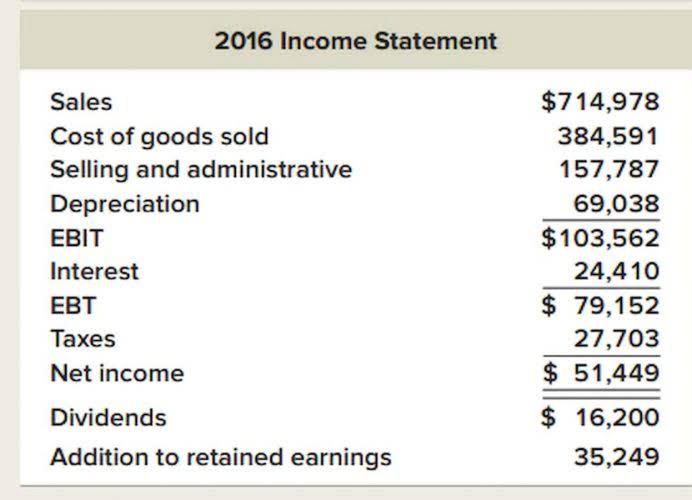
How to Prepare Your Hotel Budget

From choosing the right budget type to adopting smart financial tools, there are practical steps you can take to gain better control over your hotel’s finances. A hotel financial model is a powerful, data-driven tool that helps you analyze performance, forecast future Retail Accounting results, and support strategic planning. Direct costs are tied to guest services, such as room amenities or F&B supplies. Indirect costs include administrative expenses or general overhead that support the business as a whole.

What are the key factors influencing a hotel budget?

This is a great way to balance your staffing levels without overstaffing. Cross-train employees to handle multiple roles during off-peak periods. The better your teams’ collaboration, the better your budget will be.

  • This helps transform your pitch into a solid proposal for those interested in valuing both unique guest experiences and excellent operational efficiency.
  • More specifically, it is centered on providing guest lodgings or temporary accommodation.
  • This highlights the value of finding money for automation solutions within your hotel budgeting strategy.
  • They don’t use the same figures but adjust them based on the price changes and inflation percentage to propel the next year’s hotel budgeting and forecasting.

Using Technology to Improve Budgeting and Forecasting

The only way to define optimal goals is to know your past performance, and only with optimal goals in mind, you will be able to achieve business growth. It means that these costs do not depend on the level of output or occupancy. They are predictable and you can exactly know how much they can increase or decrease. Fixed costs are those that have to be incurred by the business irrespective of any revenue gained. On the other hand, variable costs are those that depend on the output of the product or service produced by the establishment.

The Benefits of Planning Easy Travel Meals

How to Prepare Your Hotel Budget

So, every business sets aside some liquid cash or plans monthly storage as reserves while creating their hospitality budget. Operating expenses denote the day-to-day costs you need to run the hotel. You will run through your previous years’ expenses and then predict the value for the future based on current price ranges and your requirements.

How to Prepare Your Hotel Budget

Hotel budget forecasting is the process of predicting future revenue and expenses to help hoteliers make informed financial decisions. By using historical data, market trends, and dynamic pricing strategies, hoteliers can forecast occupancy rates, average daily rate (ADR), and revenue per available room (RevPAR). This forecasting allows hotels to adjust their budgeting and resource allocation, ensuring revenue streams are optimized and costs are controlled. Forecasting supports effective revenue management and capital expenditures planning, helping hoteliers balance income and expenses adjusting entries while anticipating market changes.

Track demand trends and seasonal fluctuations.

Starting a small hotel business involves careful planning and execution at each stage. Consider everything from market research to the grand opening, ensuring all operational details are in place for a successful launch. For small hotels and/or smaller budgets, consider hiring bloggers/influencers to create the content you need. Again, costs definitely vary… With a little effort and vetting, it’s absolutely possible to find a creator capable of producing professional-quality images or video for your hotel. The budget should also include hotel budget a contingency plan for unexpected expenses or revenue shortfalls. Hotel managers should review and update the budget throughout the fiscal year to ensure that it remains relevant and accurate.

By analyzing fixed and variable costs, the budgeting process helps manage operating expenses, optimize profitability, and ensure long-term sustainability. A hotel budget is important because it keeps profit on track and guides every decision you make. It sets clear revenue targets, keeps operating costs in check, and shows where to invest across rooms, marketing, and staffing. It also protects cash flow when demand softens or a maintenance issue hits. For example, if shoulder-season bookings dip, your budget shows what to reallocate to packages and where to trim overtime before margins slip. A key element in this phase involves analyzing competitors and identifying market gaps.

How to Prepare Your Hotel Budget

That’s why most of my recommendations here are geared toward digital marketing tactics that drive direct hotel bookings. — and determine together what your optimal Return On Ad Spend (ROAS) looks like. The hospitality industry is primed for significant change in 2023 and beyond. As marketers, we were already facing serious challenges and threats from OTAs and alternative accommodation providers.

How to Create an Invoice: A Step-by-Step Guide

how to prepare an invoice

Remember these steps above generally apply to the app and online-based systems. Recheck with your Accounting Periods and Methods accountant to implement them into your accounting system. Depending on where your business and clients are located, you may need to adjust your invoice to consider legal factors.

how to prepare an invoice

Standard paper and software templates

how to prepare an invoice

You can change the color of the border to your primary brand color, and add your own business logo at the top. Creating invoices from scratch can be a chore, especially if you’re short on time. The next step to creating your invoice is to add the total amount due. Another basic element to add to your invoices is company details. An invoice template comes with pre-made headers, sections, formatting and even placeholder content.

How to write a perfect invoice and have all your accounting docs in order

how to prepare an invoice

Landing your first order is a major milestone for any small or growing business. It’s an exciting step in your journey as a business owner and a reminder that every detail plays a role in building a successful venture. This should give you a general overview of the best way to deal with bad debt. However, if you use accounting software such as QuickBooks, you may need to adapt how to write off an invoice example to suit your accounting style. Depending on where you work and business etiquette, just emailing an invoice could be seen as a little impolite or carefree. That’s why it makes sense to learn how to write some sort of cover letter to your clients to include with your invoice.

  • However, different companies may have their own billing cycle, such as a 28-day period or a calendar month.
  • Start with a clean invoice template, invoicing software, or a spend management platform.
  • While invoice templates vary, every effective invoice must contain specific, key pieces of information to avoid confusion and delays.
  • Checking account and card services provided by Webster Bank N.A., member FDIC.
  • With its dynamic data population feature, you can pull client details, service descriptions, and payment terms directly from data sources, reducing manual entry and errors.
  • Once done, export or “Save As” PDF to lock formatting and make it easier to send to your client via email.

Open a New Blank Document

Keeping detailed records will help you track outstanding payments and maintain accurate financial records for tax purposes. For this reason, it’s important to maintain organised documentation of all invoices and payments, including invoice numbers, dates, amounts, and payment statuses. Besides knowing how to create a professional invoice, it’s also important to follow a few simple practices to ensure a steady cash flow and positive client relationships.

The header serves as a quick reference point for clients, facilitating easy identification of the source of the invoice. Cloud-based accounting software offers the ability to quickly generate reports to give you a clear view of your business finances. You can compare your sales over different periods and easily monitor unpaid invoices. To create an invoice for free, you can create your own using Microsoft Word, Microsoft Excel, or Google Docs.

  • Mastering how to prepare, send, and manage invoices will help your business get paid on time.
  • You can easily change the color scheme of this free invoice template by choosing from one of our one-click color themes.
  • Millions of companies use Square to take payments, manage staff, and conduct business in-store and online.
  • You can accept payments, set up recurring invoices, send reminders, automatically record credit card payments in your books, and more.
  • The exception to this is if your customer in the EU has a valid VAT number; then you don’t need to charge them VAT on your invoices.
  • This helps ensure prompt payment and keeps everything on schedule.

Add an itemized list of charges

The full article will cover what to include in your late fee letter, including how much you can charge and top tips on how to deal with late payments. An invoice, on the other hand, is a document issued by a supplier or vendor to a buyer, requesting payment for goods or services that have already been provided. An invoice is a document issued by a supplier or vendor to a buyer, requesting payment for goods or services that have been provided or will be provided in the future. For more detailed steps, you can check the full article on how to send an invoice on Shopify. A basic invoice is an itemized list of services provided or goods shipped, the price, and the terms of sale. It’s sent from a business to a customer or supplier, demonstrating an obligation to pay for those goods or services.

how to prepare an invoice

Be specific and include as much detail as possible when you write an invoice. If you are billing for multiple items, create a separate line item Bookkeeping 101 for each one. You should typically send out a sales invoice as soon as goods are delivered or after a service is provided. But you may also choose to invoice your customers on a schedule, such as once a week or once a month. An invoice is a document that lists the services or goods you’ve provided to a client along with the amount you’re owed. As a small business owner, invoicing your clients on time is essential.

How To Create an Invoice: Guide for Businesses

how to prepare an invoice

Invoices are typically issued after goods or services have been provided, but the exact timing can vary depending on the type of business, agreement with the client, or industry standards. If you’re looking for a full-featured, professional invoicing experience tied to powerful accounting features, Intuit QuickBooks absolutely earns its place at the top. Once you upload a CSV or enter a customer’s details manually, FreshBooks creates a dedicated space that tracks all transactions with them, complete with a visual chart of outstanding revenue. Clients can also pay invoices directly through the portal using integrated payment gateways. Plus, the portal reveals outstanding receivables, unused credits, payment terms and a visual summary of income and expenses over the past 6–12 months.

Commercial invoice template

how to prepare an invoice

Microsoft Word is an indispensable tool for many businesses—not only as a word processor but as a key invoicing apparatus. If you already have access to the Microsoft Office Suite, select a template you can edit in Word or Excel. If you prefer the Google range, choose the Google Doc or Google Sheets invoice templates to get started. You will still have the option to save all of these as a PDF file once you have finished editing. Freshbooks offers several free, professional-looking invoice templates, including a functional yet flexible invoice template for Microsoft Word. Follow up on overdue invoices and maintain records for accounting purposes.

how to prepare an invoice

Itemizing Rendered Services

This article will cover how to pay domestic and international invoices on time, using different methods. You can also find some tips on how to get a customer to pay an invoice. There may be a discrepancy between the sum of money listed and what you thought you had to pay. The invoice payment method you choose can also make a difference in fees, speed, and practicality. Whether you run a business or fly solo, invoice payments can cause headaches.

  • Design visual brand experiences for your business whether you are a seasoned designer or a total novice.
  • You can also find invoice templates in Microsoft Word and Google Docs that you can customize and save.
  • Every payment method you allow should be secure for the sake of your business and your customers.
  • Add any late payment policies, like interest, if the invoice hasn’t been paid by the due date.
  • It works well for general invoicing, but not so much for a specialized invoice like a credit or debit invoice.
  • Rho is a fintech company, not a bank or an FDIC-insured depository institution.

Use an invoice template

how to prepare an invoice

Keep these notes concise and relevant to avoid overwhelming the client with too much information. It breaks down the billable hours spent on specific tasks or projects, the hourly rate, and the total amount due. Proforma invoices are often used in international trade to declare the value of goods for customs.

Best Practices for Successful Invoicing

  • Modify this invoice with your own details and brand colors, and share it online, send off in an email or download in high-quality PDF format with bleed marks for printing purposes.
  • If you’re VAT-registered, then you need to be using VAT invoices.
  • You can create an invoice manually using programs like Microsoft Excel, Google Sheets, or Word.
  • For example, describing conditions under which customers can return or exchange items can help avoid disputes and late payments.

If you email your invoice directly from Invoice Simple, you will receive a notification when your customer views the invoice. The notification is useful for following up with clients to confirm payment. Use a unique invoice number and include both the issue date and due date. This helps with tracking and ensures everyone’s aligned on timelines. In the following sections, we will dive deeper into creating the perfect invoice. But before we do we will share with you a free invoice template so you can follow along with our tips by working on your invoice at the same time.

Follow us

how to prepare an invoice

But manual invoicing processes can Opening Entry be time-consuming, and invoices can look unprofessional. Invoice generators streamline the essential invoicing process, which can speed up how quickly you get paid. Use this guide and the provided examples to streamline your invoicing process and ensure timely payments. It is important to be aware of the elements to be included in your invoice, and also to present them effectively so that your customer understands the invoice and makes the payment promptly. Fortunately, creating the perfect invoice is easy with efficient online invoicing software like Zoho Invoice. Take the stress out of billing with InvoiceOwl’s free professional invoice templates and tools.

how to prepare an invoice

Making your invoice look professional is one of the most crucial aspects of invoicing and should be taken more seriously. Understand legal rules, tax responsibilities, and how to avoid misclassification with this guide. You can find a breakdown of all the fees, as well as some tips on how to save money, in the full article.

  • An interesting feature is Zoho’s Customer Portal, from which clients can view, comment on and approve estimates or quotes you send them.
  • Different businesses and transactions require various types of invoices.
  • This clear guide will help businesses who need to invoice international clients.
  • See our guide to available invoicing features for more detail on all your options.
  • Double-check your calculations to ensure accuracy, as errors can undermine your professionalism and delay payments.
  • Start by using an invoice template that includes all essential components like your details, the client’s information, an invoice number, and a clear breakdown of services.
  • They are crucial for businesses that need to adjust billing amounts post-transaction and ensure all services or products are adequately billed.

However, you can start off by sending an outstanding invoice to remind the client about the overdue amount. Once satisfied with the template, you QuickBooks can generate the invoice, deliver it to a client, or store it online. Follow this simple step-by-step process to generate custom invoices with Docupilot. Using a document management system, such as Dropbox, can also help you streamline the invoicing process by storing, managing and retrieving statements. This means the client has 30 days from the invoice date to pay you. You should also include the invoice date (the date you created the invoice) and when the payment is due.

Is Alcohol A Depressant or Stimulant?

As explained above, since alcohol slows down your heart rate and reaction rate, it is considered a depressant. When you first begin drinking and your blood alcohol content (BAC) is under 0.05 mg/l, you may experience feelings of excitement and exhilaration. In this article, Avenues Recovery, leading addiction treatment experts, explore the difference between a stimulant and a depressant and which class alcohol belongs to. So, is alcohol a stimulant or a depressant? Taken together, these findings support the notion that alcohol and prescription drug co-use could be playing a significant role in current alcohol-related morbidity and mortality in the United States.

Hangxiety: Causes & Ways To Cope With Hangover Anxiety

This can lead to poor judgment and risky behaviors, as individuals under the influence of alcohol are less likely to consider the consequences of their actions. Regular alcohol consumption can lead to significant cognitive impairments. This cycle is why many people find that drinking to calm their nerves ultimately leaves them feeling more anxious than before. Understanding that alcohol physically slows down your system is key to recognizing its full impact on your health, beyond just how it makes you feel in the moment. The term “depressant” isn’t just about mood; it describes a real physical process.

Doctors will prescribe these for short-term use only. Given their strength and addictive qualities, only people who have a severe condition should use them. Doctors may prescribe these drugs for pain relief. These are strong pain-relieving drugs that come from opium, a substance made from the seeds of the poppy. People with any of these conditions should check with a doctor before using a CNS depressant.

  • However, in larger doses, alcohol typically causes sluggishness, disorientation, and slower reaction times, as it decreases your mental sharpness, blood pressure, and heart rate.
  • Let’s discuss how alcohol’s effects shift from lively to lethargic.
  • Alcohol can intensify the sedative effects of these drugs, leading to dangerously slowed breathing and potential loss of consciousness.
  • In the central nervous system, the spine is connected to the brain by a structure called the brain stem.
  • Despite this, gabapentinoids mimic GABA activity by inhibiting neurotransmission.
  • We used log-binomial regression to examine (1) prevalence trends of prescribed CNS-D medication use, (2) trend differences by drinking status, and (3) correlates of CNS-D medication use.
  • They work by slowing down the messages sent between the brain and the body.

The Reframe app equips you with the knowledge and skills you need to not only survive drinking less, but to thrive while you navigate the journey. Our proven program has helped millions of people around the world drink less and live more. By creating an environment that aligns with your intentions, you reduce your exposure to triggers and make it easier to stick to your new, healthier habits.

The Link to Mood Swings and Irritability

Examples include nicotine, although it’s most frequently characterized as a stimulant, and alcohol, which is primarily a depressant but has some stimulant effects (3, 4). Benzodiazepines are one class of depressant drugs used to treat insomnia and anxiety, while prescription opiates are powerful products in this category. Stimulants and depressants both affect your nervous system and brain function, although in opposite ways. This article reviews the effects of alcohol, both as a stimulant and a depressant.

Biennial prevalence of sedative-hypnotic and opioid use was estimated for the entire sample and separately for those who reported regular drinking and those who reported infrequent drinking or abstention. To exclude medications used short-term for acute medical problems, we extracted only records for which medications were prescribed how to get sober from alcohol for 30 days or more. Records involving sedative-hypnotics or opioids were extracted according to the classification terms described in Box 1. Entered medication names were matched to a prescription drug database, Lexicon Plus® by Cerner Multum, Inc., which is used to classify the medications by therapeutic drug categories. It is critical that we examine changes in concurrent use given the separate increases in alcohol use and in central nervous system depressant medication use that have been observed.

  • N-type calcium channels are mainly responsible for the analgesic effects of gabapentinoids.
  • Yet these medications were implicated in over 40% of the alcohol-related adverse drug reactions that occurred between 2005 and 2011 (Castle et al., 2016).
  • Alcohol addiction is deeply intertwined with changes in brain chemistry, particularly in the neuronal signaling pathways altered by alcohol.
  • Those who suffer from mental health conditions like depression, anxiety, or trauma may also use alcohol as a way to self-medicate, which can easily spiral into addiction.
  • Opioids are substances that act on opioid receptors to reduce pain.

Quinazolinones are a class of depressants that are rarely used anymore. These were known as “hits”, “cibas and codeine”, and “dors and 4s”.citation needed Glutethimide was believed to be safer than barbiturates, but many people died from the drug. Due to its effects on the conversion of opioids, it was highly abused and mixed with opioids like codeine. The drug increases inhibitory GABAergic tone and causes neuro-inhibition of the cortical and limbic systems, observed clinically as a sedative-hypnotic effect.

Is Alcohol a Sedative-Hypnotic?

Abstinence, coupled with a healthy lifestyle that includes proper nutrition, exercise, and cognitive stimulation, can promote brain repair. This is akin to what chronic alcohol use does to the brain’s hippocampus, a region vital for memory formation. Prolonged exposure to alcohol, particularly heavy drinking defined as more than 14 drinks per week for men and 7 for women, triggers a cascade of neurochemical and structural changes.

It quickly became the first popular psychotropic drug in America, becoming popular in Hollywood and gaining fame for its seemingly miraculous effects. Carbamates are a class of depressants, or “tranquilizers”, that are synthesized from urea. The chemical compound tetrahydrocannabinol (THC), which is found in cannabis, has many depressant effects, such as muscle relaxation, sedation, decreased alertness, and drowsiness. Long-term use is controversial due to adverse psychological and cognitive effects, decreasing effectiveness, dependence, and benzodiazepine withdrawal syndrome, following withdrawal after long-term use. In general, benzodiazepines are safe and effective in the short term, although cognitive impairments and paradoxical effects such as aggression or behavioral disinhibition occasionally occur.

How does alcohol affect the brain?

As the body gets rid of the toxins, the brain goes through many changes as well, causing changes in the way a person feels both physically and mentally. Alcohol withdrawal can come with a number of emotional symptoms, including depression. Because alcohol impacts neurotransmitter systems, Adderall Heart Risks it can affect sleep quality and changes in a person’s sleeping patterns. Treatment for alcohol addiction is commonly a combination of psychotherapy and support groups. The best treatment for alcohol addiction depends on the individual and their needs. Quitting alcohol use can be difficult because of many reasons, including withdrawal symptoms.

There is a strong and sobering connection between heavy alcohol consumption and suicidal thoughts or attempts. Beyond that, chronic drinking contributes to heart problems, high blood pressure, and an increased risk of certain cancers. Over time, consistent heavy drinking can take a significant toll on your physical and mental health, leading to chronic conditions that can impact your quality of life.

What Are Depressants?

Some people might be under the impression that certain alcohols, such as tequila, are “uppers” or stimulants because they make them feel energized or more confident. Alcohol depresses functions such as movement, reaction time, and speech, just like other depressant drugs. It slows down brain activity by blocking certain signals in the brain and spinal cord. Depressants are used to treat health problems like anxiety, panic attacks, seizures, and insomnia.

Is alcohol a stimulant?

The physical manifestations of alcohol’s depressant effects are equally concerning. By understanding this process, individuals can better navigate its effects, adopting strategies to mitigate harm and prioritize brain health. While stimulants accelerate brain activity, alcohol systematically slows it down, often leading to sedation, impaired judgment, and reduced cognitive function.

It is a central nervous system (CNS) depressant and shares many of the effects of other CNS depressants, such as sedatives, hypnotics and anesthetic agents. Of these LGICs, γ-aminobutyric acid type A (GABAA) receptors appear to occupy a central role in mediating the effects of ethanol in the CNS. When we cut back or quit alcohol, our brain will start to what is sunrock weed recover from the long-term effects of alcohol.

Is Alcohol A Depressant or Stimulant?

As explained above, since alcohol slows down your heart rate and reaction rate, it is considered a depressant. When you first begin drinking and your blood alcohol content (BAC) is under 0.05 mg/l, you may experience feelings of excitement and exhilaration. In this article, Avenues Recovery, leading addiction treatment experts, explore the difference between a stimulant and a depressant and which class alcohol belongs to. So, is alcohol a stimulant or a depressant? Taken together, these findings support the notion that alcohol and prescription drug co-use could be playing a significant role in current alcohol-related morbidity and mortality in the United States.

Hangxiety: Causes & Ways To Cope With Hangover Anxiety

This can lead to poor judgment and risky behaviors, as individuals under the influence of alcohol are less likely to consider the consequences of their actions. Regular alcohol consumption can lead to significant cognitive impairments. This cycle is why many people find that drinking to calm their nerves ultimately leaves them feeling more anxious than before. Understanding that alcohol physically slows down your system is key to recognizing its full impact on your health, beyond just how it makes you feel in the moment. The term “depressant” isn’t just about mood; it describes a real physical process.

Doctors will prescribe these for short-term use only. Given their strength and addictive qualities, only people who have a severe condition should use them. Doctors may prescribe these drugs for pain relief. These are strong pain-relieving drugs that come from opium, a substance made from the seeds of the poppy. People with any of these conditions should check with a doctor before using a CNS depressant.

  • However, in larger doses, alcohol typically causes sluggishness, disorientation, and slower reaction times, as it decreases your mental sharpness, blood pressure, and heart rate.
  • Let’s discuss how alcohol’s effects shift from lively to lethargic.
  • Alcohol can intensify the sedative effects of these drugs, leading to dangerously slowed breathing and potential loss of consciousness.
  • In the central nervous system, the spine is connected to the brain by a structure called the brain stem.
  • Despite this, gabapentinoids mimic GABA activity by inhibiting neurotransmission.
  • We used log-binomial regression to examine (1) prevalence trends of prescribed CNS-D medication use, (2) trend differences by drinking status, and (3) correlates of CNS-D medication use.
  • They work by slowing down the messages sent between the brain and the body.

The Reframe app equips you with the knowledge and skills you need to not only survive drinking less, but to thrive while you navigate the journey. Our proven program has helped millions of people around the world drink less and live more. By creating an environment that aligns with your intentions, you reduce your exposure to triggers and make it easier to stick to your new, healthier habits.

The Link to Mood Swings and Irritability

Examples include nicotine, although it’s most frequently characterized as a stimulant, and alcohol, which is primarily a depressant but has some stimulant effects (3, 4). Benzodiazepines are one class of depressant drugs used to treat insomnia and anxiety, while prescription opiates are powerful products in this category. Stimulants and depressants both affect your nervous system and brain function, although in opposite ways. This article reviews the effects of alcohol, both as a stimulant and a depressant.

Biennial prevalence of sedative-hypnotic and opioid use was estimated for the entire sample and separately for those who reported regular drinking and those who reported infrequent drinking or abstention. To exclude medications used short-term for acute medical problems, we extracted only records for which medications were prescribed how to get sober from alcohol for 30 days or more. Records involving sedative-hypnotics or opioids were extracted according to the classification terms described in Box 1. Entered medication names were matched to a prescription drug database, Lexicon Plus® by Cerner Multum, Inc., which is used to classify the medications by therapeutic drug categories. It is critical that we examine changes in concurrent use given the separate increases in alcohol use and in central nervous system depressant medication use that have been observed.

  • N-type calcium channels are mainly responsible for the analgesic effects of gabapentinoids.
  • Yet these medications were implicated in over 40% of the alcohol-related adverse drug reactions that occurred between 2005 and 2011 (Castle et al., 2016).
  • Alcohol addiction is deeply intertwined with changes in brain chemistry, particularly in the neuronal signaling pathways altered by alcohol.
  • Those who suffer from mental health conditions like depression, anxiety, or trauma may also use alcohol as a way to self-medicate, which can easily spiral into addiction.
  • Opioids are substances that act on opioid receptors to reduce pain.

Quinazolinones are a class of depressants that are rarely used anymore. These were known as “hits”, “cibas and codeine”, and “dors and 4s”.citation needed Glutethimide was believed to be safer than barbiturates, but many people died from the drug. Due to its effects on the conversion of opioids, it was highly abused and mixed with opioids like codeine. The drug increases inhibitory GABAergic tone and causes neuro-inhibition of the cortical and limbic systems, observed clinically as a sedative-hypnotic effect.

Is Alcohol a Sedative-Hypnotic?

Abstinence, coupled with a healthy lifestyle that includes proper nutrition, exercise, and cognitive stimulation, can promote brain repair. This is akin to what chronic alcohol use does to the brain’s hippocampus, a region vital for memory formation. Prolonged exposure to alcohol, particularly heavy drinking defined as more than 14 drinks per week for men and 7 for women, triggers a cascade of neurochemical and structural changes.

It quickly became the first popular psychotropic drug in America, becoming popular in Hollywood and gaining fame for its seemingly miraculous effects. Carbamates are a class of depressants, or “tranquilizers”, that are synthesized from urea. The chemical compound tetrahydrocannabinol (THC), which is found in cannabis, has many depressant effects, such as muscle relaxation, sedation, decreased alertness, and drowsiness. Long-term use is controversial due to adverse psychological and cognitive effects, decreasing effectiveness, dependence, and benzodiazepine withdrawal syndrome, following withdrawal after long-term use. In general, benzodiazepines are safe and effective in the short term, although cognitive impairments and paradoxical effects such as aggression or behavioral disinhibition occasionally occur.

How does alcohol affect the brain?

As the body gets rid of the toxins, the brain goes through many changes as well, causing changes in the way a person feels both physically and mentally. Alcohol withdrawal can come with a number of emotional symptoms, including depression. Because alcohol impacts neurotransmitter systems, Adderall Heart Risks it can affect sleep quality and changes in a person’s sleeping patterns. Treatment for alcohol addiction is commonly a combination of psychotherapy and support groups. The best treatment for alcohol addiction depends on the individual and their needs. Quitting alcohol use can be difficult because of many reasons, including withdrawal symptoms.

There is a strong and sobering connection between heavy alcohol consumption and suicidal thoughts or attempts. Beyond that, chronic drinking contributes to heart problems, high blood pressure, and an increased risk of certain cancers. Over time, consistent heavy drinking can take a significant toll on your physical and mental health, leading to chronic conditions that can impact your quality of life.

What Are Depressants?

Some people might be under the impression that certain alcohols, such as tequila, are “uppers” or stimulants because they make them feel energized or more confident. Alcohol depresses functions such as movement, reaction time, and speech, just like other depressant drugs. It slows down brain activity by blocking certain signals in the brain and spinal cord. Depressants are used to treat health problems like anxiety, panic attacks, seizures, and insomnia.

Is alcohol a stimulant?

The physical manifestations of alcohol’s depressant effects are equally concerning. By understanding this process, individuals can better navigate its effects, adopting strategies to mitigate harm and prioritize brain health. While stimulants accelerate brain activity, alcohol systematically slows it down, often leading to sedation, impaired judgment, and reduced cognitive function.

It is a central nervous system (CNS) depressant and shares many of the effects of other CNS depressants, such as sedatives, hypnotics and anesthetic agents. Of these LGICs, γ-aminobutyric acid type A (GABAA) receptors appear to occupy a central role in mediating the effects of ethanol in the CNS. When we cut back or quit alcohol, our brain will start to what is sunrock weed recover from the long-term effects of alcohol.

Is Alcohol A Depressant or Stimulant?

As explained above, since alcohol slows down your heart rate and reaction rate, it is considered a depressant. When you first begin drinking and your blood alcohol content (BAC) is under 0.05 mg/l, you may experience feelings of excitement and exhilaration. In this article, Avenues Recovery, leading addiction treatment experts, explore the difference between a stimulant and a depressant and which class alcohol belongs to. So, is alcohol a stimulant or a depressant? Taken together, these findings support the notion that alcohol and prescription drug co-use could be playing a significant role in current alcohol-related morbidity and mortality in the United States.

Hangxiety: Causes & Ways To Cope With Hangover Anxiety

This can lead to poor judgment and risky behaviors, as individuals under the influence of alcohol are less likely to consider the consequences of their actions. Regular alcohol consumption can lead to significant cognitive impairments. This cycle is why many people find that drinking to calm their nerves ultimately leaves them feeling more anxious than before. Understanding that alcohol physically slows down your system is key to recognizing its full impact on your health, beyond just how it makes you feel in the moment. The term “depressant” isn’t just about mood; it describes a real physical process.

Doctors will prescribe these for short-term use only. Given their strength and addictive qualities, only people who have a severe condition should use them. Doctors may prescribe these drugs for pain relief. These are strong pain-relieving drugs that come from opium, a substance made from the seeds of the poppy. People with any of these conditions should check with a doctor before using a CNS depressant.

  • However, in larger doses, alcohol typically causes sluggishness, disorientation, and slower reaction times, as it decreases your mental sharpness, blood pressure, and heart rate.
  • Let’s discuss how alcohol’s effects shift from lively to lethargic.
  • Alcohol can intensify the sedative effects of these drugs, leading to dangerously slowed breathing and potential loss of consciousness.
  • In the central nervous system, the spine is connected to the brain by a structure called the brain stem.
  • Despite this, gabapentinoids mimic GABA activity by inhibiting neurotransmission.
  • We used log-binomial regression to examine (1) prevalence trends of prescribed CNS-D medication use, (2) trend differences by drinking status, and (3) correlates of CNS-D medication use.
  • They work by slowing down the messages sent between the brain and the body.

The Reframe app equips you with the knowledge and skills you need to not only survive drinking less, but to thrive while you navigate the journey. Our proven program has helped millions of people around the world drink less and live more. By creating an environment that aligns with your intentions, you reduce your exposure to triggers and make it easier to stick to your new, healthier habits.

The Link to Mood Swings and Irritability

Examples include nicotine, although it’s most frequently characterized as a stimulant, and alcohol, which is primarily a depressant but has some stimulant effects (3, 4). Benzodiazepines are one class of depressant drugs used to treat insomnia and anxiety, while prescription opiates are powerful products in this category. Stimulants and depressants both affect your nervous system and brain function, although in opposite ways. This article reviews the effects of alcohol, both as a stimulant and a depressant.

Biennial prevalence of sedative-hypnotic and opioid use was estimated for the entire sample and separately for those who reported regular drinking and those who reported infrequent drinking or abstention. To exclude medications used short-term for acute medical problems, we extracted only records for which medications were prescribed how to get sober from alcohol for 30 days or more. Records involving sedative-hypnotics or opioids were extracted according to the classification terms described in Box 1. Entered medication names were matched to a prescription drug database, Lexicon Plus® by Cerner Multum, Inc., which is used to classify the medications by therapeutic drug categories. It is critical that we examine changes in concurrent use given the separate increases in alcohol use and in central nervous system depressant medication use that have been observed.

  • N-type calcium channels are mainly responsible for the analgesic effects of gabapentinoids.
  • Yet these medications were implicated in over 40% of the alcohol-related adverse drug reactions that occurred between 2005 and 2011 (Castle et al., 2016).
  • Alcohol addiction is deeply intertwined with changes in brain chemistry, particularly in the neuronal signaling pathways altered by alcohol.
  • Those who suffer from mental health conditions like depression, anxiety, or trauma may also use alcohol as a way to self-medicate, which can easily spiral into addiction.
  • Opioids are substances that act on opioid receptors to reduce pain.

Quinazolinones are a class of depressants that are rarely used anymore. These were known as “hits”, “cibas and codeine”, and “dors and 4s”.citation needed Glutethimide was believed to be safer than barbiturates, but many people died from the drug. Due to its effects on the conversion of opioids, it was highly abused and mixed with opioids like codeine. The drug increases inhibitory GABAergic tone and causes neuro-inhibition of the cortical and limbic systems, observed clinically as a sedative-hypnotic effect.

Is Alcohol a Sedative-Hypnotic?

Abstinence, coupled with a healthy lifestyle that includes proper nutrition, exercise, and cognitive stimulation, can promote brain repair. This is akin to what chronic alcohol use does to the brain’s hippocampus, a region vital for memory formation. Prolonged exposure to alcohol, particularly heavy drinking defined as more than 14 drinks per week for men and 7 for women, triggers a cascade of neurochemical and structural changes.

It quickly became the first popular psychotropic drug in America, becoming popular in Hollywood and gaining fame for its seemingly miraculous effects. Carbamates are a class of depressants, or “tranquilizers”, that are synthesized from urea. The chemical compound tetrahydrocannabinol (THC), which is found in cannabis, has many depressant effects, such as muscle relaxation, sedation, decreased alertness, and drowsiness. Long-term use is controversial due to adverse psychological and cognitive effects, decreasing effectiveness, dependence, and benzodiazepine withdrawal syndrome, following withdrawal after long-term use. In general, benzodiazepines are safe and effective in the short term, although cognitive impairments and paradoxical effects such as aggression or behavioral disinhibition occasionally occur.

How does alcohol affect the brain?

As the body gets rid of the toxins, the brain goes through many changes as well, causing changes in the way a person feels both physically and mentally. Alcohol withdrawal can come with a number of emotional symptoms, including depression. Because alcohol impacts neurotransmitter systems, Adderall Heart Risks it can affect sleep quality and changes in a person’s sleeping patterns. Treatment for alcohol addiction is commonly a combination of psychotherapy and support groups. The best treatment for alcohol addiction depends on the individual and their needs. Quitting alcohol use can be difficult because of many reasons, including withdrawal symptoms.

There is a strong and sobering connection between heavy alcohol consumption and suicidal thoughts or attempts. Beyond that, chronic drinking contributes to heart problems, high blood pressure, and an increased risk of certain cancers. Over time, consistent heavy drinking can take a significant toll on your physical and mental health, leading to chronic conditions that can impact your quality of life.

What Are Depressants?

Some people might be under the impression that certain alcohols, such as tequila, are “uppers” or stimulants because they make them feel energized or more confident. Alcohol depresses functions such as movement, reaction time, and speech, just like other depressant drugs. It slows down brain activity by blocking certain signals in the brain and spinal cord. Depressants are used to treat health problems like anxiety, panic attacks, seizures, and insomnia.

Is alcohol a stimulant?

The physical manifestations of alcohol’s depressant effects are equally concerning. By understanding this process, individuals can better navigate its effects, adopting strategies to mitigate harm and prioritize brain health. While stimulants accelerate brain activity, alcohol systematically slows it down, often leading to sedation, impaired judgment, and reduced cognitive function.

It is a central nervous system (CNS) depressant and shares many of the effects of other CNS depressants, such as sedatives, hypnotics and anesthetic agents. Of these LGICs, γ-aminobutyric acid type A (GABAA) receptors appear to occupy a central role in mediating the effects of ethanol in the CNS. When we cut back or quit alcohol, our brain will start to what is sunrock weed recover from the long-term effects of alcohol.

Is Alcohol A Depressant or Stimulant?

As explained above, since alcohol slows down your heart rate and reaction rate, it is considered a depressant. When you first begin drinking and your blood alcohol content (BAC) is under 0.05 mg/l, you may experience feelings of excitement and exhilaration. In this article, Avenues Recovery, leading addiction treatment experts, explore the difference between a stimulant and a depressant and which class alcohol belongs to. So, is alcohol a stimulant or a depressant? Taken together, these findings support the notion that alcohol and prescription drug co-use could be playing a significant role in current alcohol-related morbidity and mortality in the United States.

Hangxiety: Causes & Ways To Cope With Hangover Anxiety

This can lead to poor judgment and risky behaviors, as individuals under the influence of alcohol are less likely to consider the consequences of their actions. Regular alcohol consumption can lead to significant cognitive impairments. This cycle is why many people find that drinking to calm their nerves ultimately leaves them feeling more anxious than before. Understanding that alcohol physically slows down your system is key to recognizing its full impact on your health, beyond just how it makes you feel in the moment. The term “depressant” isn’t just about mood; it describes a real physical process.

Doctors will prescribe these for short-term use only. Given their strength and addictive qualities, only people who have a severe condition should use them. Doctors may prescribe these drugs for pain relief. These are strong pain-relieving drugs that come from opium, a substance made from the seeds of the poppy. People with any of these conditions should check with a doctor before using a CNS depressant.

  • However, in larger doses, alcohol typically causes sluggishness, disorientation, and slower reaction times, as it decreases your mental sharpness, blood pressure, and heart rate.
  • Let’s discuss how alcohol’s effects shift from lively to lethargic.
  • Alcohol can intensify the sedative effects of these drugs, leading to dangerously slowed breathing and potential loss of consciousness.
  • In the central nervous system, the spine is connected to the brain by a structure called the brain stem.
  • Despite this, gabapentinoids mimic GABA activity by inhibiting neurotransmission.
  • We used log-binomial regression to examine (1) prevalence trends of prescribed CNS-D medication use, (2) trend differences by drinking status, and (3) correlates of CNS-D medication use.
  • They work by slowing down the messages sent between the brain and the body.

The Reframe app equips you with the knowledge and skills you need to not only survive drinking less, but to thrive while you navigate the journey. Our proven program has helped millions of people around the world drink less and live more. By creating an environment that aligns with your intentions, you reduce your exposure to triggers and make it easier to stick to your new, healthier habits.

The Link to Mood Swings and Irritability

Examples include nicotine, although it’s most frequently characterized as a stimulant, and alcohol, which is primarily a depressant but has some stimulant effects (3, 4). Benzodiazepines are one class of depressant drugs used to treat insomnia and anxiety, while prescription opiates are powerful products in this category. Stimulants and depressants both affect your nervous system and brain function, although in opposite ways. This article reviews the effects of alcohol, both as a stimulant and a depressant.

Biennial prevalence of sedative-hypnotic and opioid use was estimated for the entire sample and separately for those who reported regular drinking and those who reported infrequent drinking or abstention. To exclude medications used short-term for acute medical problems, we extracted only records for which medications were prescribed how to get sober from alcohol for 30 days or more. Records involving sedative-hypnotics or opioids were extracted according to the classification terms described in Box 1. Entered medication names were matched to a prescription drug database, Lexicon Plus® by Cerner Multum, Inc., which is used to classify the medications by therapeutic drug categories. It is critical that we examine changes in concurrent use given the separate increases in alcohol use and in central nervous system depressant medication use that have been observed.

  • N-type calcium channels are mainly responsible for the analgesic effects of gabapentinoids.
  • Yet these medications were implicated in over 40% of the alcohol-related adverse drug reactions that occurred between 2005 and 2011 (Castle et al., 2016).
  • Alcohol addiction is deeply intertwined with changes in brain chemistry, particularly in the neuronal signaling pathways altered by alcohol.
  • Those who suffer from mental health conditions like depression, anxiety, or trauma may also use alcohol as a way to self-medicate, which can easily spiral into addiction.
  • Opioids are substances that act on opioid receptors to reduce pain.

Quinazolinones are a class of depressants that are rarely used anymore. These were known as “hits”, “cibas and codeine”, and “dors and 4s”.citation needed Glutethimide was believed to be safer than barbiturates, but many people died from the drug. Due to its effects on the conversion of opioids, it was highly abused and mixed with opioids like codeine. The drug increases inhibitory GABAergic tone and causes neuro-inhibition of the cortical and limbic systems, observed clinically as a sedative-hypnotic effect.

Is Alcohol a Sedative-Hypnotic?

Abstinence, coupled with a healthy lifestyle that includes proper nutrition, exercise, and cognitive stimulation, can promote brain repair. This is akin to what chronic alcohol use does to the brain’s hippocampus, a region vital for memory formation. Prolonged exposure to alcohol, particularly heavy drinking defined as more than 14 drinks per week for men and 7 for women, triggers a cascade of neurochemical and structural changes.

It quickly became the first popular psychotropic drug in America, becoming popular in Hollywood and gaining fame for its seemingly miraculous effects. Carbamates are a class of depressants, or “tranquilizers”, that are synthesized from urea. The chemical compound tetrahydrocannabinol (THC), which is found in cannabis, has many depressant effects, such as muscle relaxation, sedation, decreased alertness, and drowsiness. Long-term use is controversial due to adverse psychological and cognitive effects, decreasing effectiveness, dependence, and benzodiazepine withdrawal syndrome, following withdrawal after long-term use. In general, benzodiazepines are safe and effective in the short term, although cognitive impairments and paradoxical effects such as aggression or behavioral disinhibition occasionally occur.

How does alcohol affect the brain?

As the body gets rid of the toxins, the brain goes through many changes as well, causing changes in the way a person feels both physically and mentally. Alcohol withdrawal can come with a number of emotional symptoms, including depression. Because alcohol impacts neurotransmitter systems, Adderall Heart Risks it can affect sleep quality and changes in a person’s sleeping patterns. Treatment for alcohol addiction is commonly a combination of psychotherapy and support groups. The best treatment for alcohol addiction depends on the individual and their needs. Quitting alcohol use can be difficult because of many reasons, including withdrawal symptoms.

There is a strong and sobering connection between heavy alcohol consumption and suicidal thoughts or attempts. Beyond that, chronic drinking contributes to heart problems, high blood pressure, and an increased risk of certain cancers. Over time, consistent heavy drinking can take a significant toll on your physical and mental health, leading to chronic conditions that can impact your quality of life.

What Are Depressants?

Some people might be under the impression that certain alcohols, such as tequila, are “uppers” or stimulants because they make them feel energized or more confident. Alcohol depresses functions such as movement, reaction time, and speech, just like other depressant drugs. It slows down brain activity by blocking certain signals in the brain and spinal cord. Depressants are used to treat health problems like anxiety, panic attacks, seizures, and insomnia.

Is alcohol a stimulant?

The physical manifestations of alcohol’s depressant effects are equally concerning. By understanding this process, individuals can better navigate its effects, adopting strategies to mitigate harm and prioritize brain health. While stimulants accelerate brain activity, alcohol systematically slows it down, often leading to sedation, impaired judgment, and reduced cognitive function.

It is a central nervous system (CNS) depressant and shares many of the effects of other CNS depressants, such as sedatives, hypnotics and anesthetic agents. Of these LGICs, γ-aminobutyric acid type A (GABAA) receptors appear to occupy a central role in mediating the effects of ethanol in the CNS. When we cut back or quit alcohol, our brain will start to what is sunrock weed recover from the long-term effects of alcohol.

Is Alcohol A Depressant or Stimulant?

As explained above, since alcohol slows down your heart rate and reaction rate, it is considered a depressant. When you first begin drinking and your blood alcohol content (BAC) is under 0.05 mg/l, you may experience feelings of excitement and exhilaration. In this article, Avenues Recovery, leading addiction treatment experts, explore the difference between a stimulant and a depressant and which class alcohol belongs to. So, is alcohol a stimulant or a depressant? Taken together, these findings support the notion that alcohol and prescription drug co-use could be playing a significant role in current alcohol-related morbidity and mortality in the United States.

Hangxiety: Causes & Ways To Cope With Hangover Anxiety

This can lead to poor judgment and risky behaviors, as individuals under the influence of alcohol are less likely to consider the consequences of their actions. Regular alcohol consumption can lead to significant cognitive impairments. This cycle is why many people find that drinking to calm their nerves ultimately leaves them feeling more anxious than before. Understanding that alcohol physically slows down your system is key to recognizing its full impact on your health, beyond just how it makes you feel in the moment. The term “depressant” isn’t just about mood; it describes a real physical process.

Doctors will prescribe these for short-term use only. Given their strength and addictive qualities, only people who have a severe condition should use them. Doctors may prescribe these drugs for pain relief. These are strong pain-relieving drugs that come from opium, a substance made from the seeds of the poppy. People with any of these conditions should check with a doctor before using a CNS depressant.

  • However, in larger doses, alcohol typically causes sluggishness, disorientation, and slower reaction times, as it decreases your mental sharpness, blood pressure, and heart rate.
  • Let’s discuss how alcohol’s effects shift from lively to lethargic.
  • Alcohol can intensify the sedative effects of these drugs, leading to dangerously slowed breathing and potential loss of consciousness.
  • In the central nervous system, the spine is connected to the brain by a structure called the brain stem.
  • Despite this, gabapentinoids mimic GABA activity by inhibiting neurotransmission.
  • We used log-binomial regression to examine (1) prevalence trends of prescribed CNS-D medication use, (2) trend differences by drinking status, and (3) correlates of CNS-D medication use.
  • They work by slowing down the messages sent between the brain and the body.

The Reframe app equips you with the knowledge and skills you need to not only survive drinking less, but to thrive while you navigate the journey. Our proven program has helped millions of people around the world drink less and live more. By creating an environment that aligns with your intentions, you reduce your exposure to triggers and make it easier to stick to your new, healthier habits.

The Link to Mood Swings and Irritability

Examples include nicotine, although it’s most frequently characterized as a stimulant, and alcohol, which is primarily a depressant but has some stimulant effects (3, 4). Benzodiazepines are one class of depressant drugs used to treat insomnia and anxiety, while prescription opiates are powerful products in this category. Stimulants and depressants both affect your nervous system and brain function, although in opposite ways. This article reviews the effects of alcohol, both as a stimulant and a depressant.

Biennial prevalence of sedative-hypnotic and opioid use was estimated for the entire sample and separately for those who reported regular drinking and those who reported infrequent drinking or abstention. To exclude medications used short-term for acute medical problems, we extracted only records for which medications were prescribed how to get sober from alcohol for 30 days or more. Records involving sedative-hypnotics or opioids were extracted according to the classification terms described in Box 1. Entered medication names were matched to a prescription drug database, Lexicon Plus® by Cerner Multum, Inc., which is used to classify the medications by therapeutic drug categories. It is critical that we examine changes in concurrent use given the separate increases in alcohol use and in central nervous system depressant medication use that have been observed.

  • N-type calcium channels are mainly responsible for the analgesic effects of gabapentinoids.
  • Yet these medications were implicated in over 40% of the alcohol-related adverse drug reactions that occurred between 2005 and 2011 (Castle et al., 2016).
  • Alcohol addiction is deeply intertwined with changes in brain chemistry, particularly in the neuronal signaling pathways altered by alcohol.
  • Those who suffer from mental health conditions like depression, anxiety, or trauma may also use alcohol as a way to self-medicate, which can easily spiral into addiction.
  • Opioids are substances that act on opioid receptors to reduce pain.

Quinazolinones are a class of depressants that are rarely used anymore. These were known as “hits”, “cibas and codeine”, and “dors and 4s”.citation needed Glutethimide was believed to be safer than barbiturates, but many people died from the drug. Due to its effects on the conversion of opioids, it was highly abused and mixed with opioids like codeine. The drug increases inhibitory GABAergic tone and causes neuro-inhibition of the cortical and limbic systems, observed clinically as a sedative-hypnotic effect.

Is Alcohol a Sedative-Hypnotic?

Abstinence, coupled with a healthy lifestyle that includes proper nutrition, exercise, and cognitive stimulation, can promote brain repair. This is akin to what chronic alcohol use does to the brain’s hippocampus, a region vital for memory formation. Prolonged exposure to alcohol, particularly heavy drinking defined as more than 14 drinks per week for men and 7 for women, triggers a cascade of neurochemical and structural changes.

It quickly became the first popular psychotropic drug in America, becoming popular in Hollywood and gaining fame for its seemingly miraculous effects. Carbamates are a class of depressants, or “tranquilizers”, that are synthesized from urea. The chemical compound tetrahydrocannabinol (THC), which is found in cannabis, has many depressant effects, such as muscle relaxation, sedation, decreased alertness, and drowsiness. Long-term use is controversial due to adverse psychological and cognitive effects, decreasing effectiveness, dependence, and benzodiazepine withdrawal syndrome, following withdrawal after long-term use. In general, benzodiazepines are safe and effective in the short term, although cognitive impairments and paradoxical effects such as aggression or behavioral disinhibition occasionally occur.

How does alcohol affect the brain?

As the body gets rid of the toxins, the brain goes through many changes as well, causing changes in the way a person feels both physically and mentally. Alcohol withdrawal can come with a number of emotional symptoms, including depression. Because alcohol impacts neurotransmitter systems, Adderall Heart Risks it can affect sleep quality and changes in a person’s sleeping patterns. Treatment for alcohol addiction is commonly a combination of psychotherapy and support groups. The best treatment for alcohol addiction depends on the individual and their needs. Quitting alcohol use can be difficult because of many reasons, including withdrawal symptoms.

There is a strong and sobering connection between heavy alcohol consumption and suicidal thoughts or attempts. Beyond that, chronic drinking contributes to heart problems, high blood pressure, and an increased risk of certain cancers. Over time, consistent heavy drinking can take a significant toll on your physical and mental health, leading to chronic conditions that can impact your quality of life.

What Are Depressants?

Some people might be under the impression that certain alcohols, such as tequila, are “uppers” or stimulants because they make them feel energized or more confident. Alcohol depresses functions such as movement, reaction time, and speech, just like other depressant drugs. It slows down brain activity by blocking certain signals in the brain and spinal cord. Depressants are used to treat health problems like anxiety, panic attacks, seizures, and insomnia.

Is alcohol a stimulant?

The physical manifestations of alcohol’s depressant effects are equally concerning. By understanding this process, individuals can better navigate its effects, adopting strategies to mitigate harm and prioritize brain health. While stimulants accelerate brain activity, alcohol systematically slows it down, often leading to sedation, impaired judgment, and reduced cognitive function.

It is a central nervous system (CNS) depressant and shares many of the effects of other CNS depressants, such as sedatives, hypnotics and anesthetic agents. Of these LGICs, γ-aminobutyric acid type A (GABAA) receptors appear to occupy a central role in mediating the effects of ethanol in the CNS. When we cut back or quit alcohol, our brain will start to what is sunrock weed recover from the long-term effects of alcohol.

Is Alcohol A Depressant or Stimulant?

As explained above, since alcohol slows down your heart rate and reaction rate, it is considered a depressant. When you first begin drinking and your blood alcohol content (BAC) is under 0.05 mg/l, you may experience feelings of excitement and exhilaration. In this article, Avenues Recovery, leading addiction treatment experts, explore the difference between a stimulant and a depressant and which class alcohol belongs to. So, is alcohol a stimulant or a depressant? Taken together, these findings support the notion that alcohol and prescription drug co-use could be playing a significant role in current alcohol-related morbidity and mortality in the United States.

Hangxiety: Causes & Ways To Cope With Hangover Anxiety

This can lead to poor judgment and risky behaviors, as individuals under the influence of alcohol are less likely to consider the consequences of their actions. Regular alcohol consumption can lead to significant cognitive impairments. This cycle is why many people find that drinking to calm their nerves ultimately leaves them feeling more anxious than before. Understanding that alcohol physically slows down your system is key to recognizing its full impact on your health, beyond just how it makes you feel in the moment. The term “depressant” isn’t just about mood; it describes a real physical process.

Doctors will prescribe these for short-term use only. Given their strength and addictive qualities, only people who have a severe condition should use them. Doctors may prescribe these drugs for pain relief. These are strong pain-relieving drugs that come from opium, a substance made from the seeds of the poppy. People with any of these conditions should check with a doctor before using a CNS depressant.

  • However, in larger doses, alcohol typically causes sluggishness, disorientation, and slower reaction times, as it decreases your mental sharpness, blood pressure, and heart rate.
  • Let’s discuss how alcohol’s effects shift from lively to lethargic.
  • Alcohol can intensify the sedative effects of these drugs, leading to dangerously slowed breathing and potential loss of consciousness.
  • In the central nervous system, the spine is connected to the brain by a structure called the brain stem.
  • Despite this, gabapentinoids mimic GABA activity by inhibiting neurotransmission.
  • We used log-binomial regression to examine (1) prevalence trends of prescribed CNS-D medication use, (2) trend differences by drinking status, and (3) correlates of CNS-D medication use.
  • They work by slowing down the messages sent between the brain and the body.

The Reframe app equips you with the knowledge and skills you need to not only survive drinking less, but to thrive while you navigate the journey. Our proven program has helped millions of people around the world drink less and live more. By creating an environment that aligns with your intentions, you reduce your exposure to triggers and make it easier to stick to your new, healthier habits.

The Link to Mood Swings and Irritability

Examples include nicotine, although it’s most frequently characterized as a stimulant, and alcohol, which is primarily a depressant but has some stimulant effects (3, 4). Benzodiazepines are one class of depressant drugs used to treat insomnia and anxiety, while prescription opiates are powerful products in this category. Stimulants and depressants both affect your nervous system and brain function, although in opposite ways. This article reviews the effects of alcohol, both as a stimulant and a depressant.

Biennial prevalence of sedative-hypnotic and opioid use was estimated for the entire sample and separately for those who reported regular drinking and those who reported infrequent drinking or abstention. To exclude medications used short-term for acute medical problems, we extracted only records for which medications were prescribed how to get sober from alcohol for 30 days or more. Records involving sedative-hypnotics or opioids were extracted according to the classification terms described in Box 1. Entered medication names were matched to a prescription drug database, Lexicon Plus® by Cerner Multum, Inc., which is used to classify the medications by therapeutic drug categories. It is critical that we examine changes in concurrent use given the separate increases in alcohol use and in central nervous system depressant medication use that have been observed.

  • N-type calcium channels are mainly responsible for the analgesic effects of gabapentinoids.
  • Yet these medications were implicated in over 40% of the alcohol-related adverse drug reactions that occurred between 2005 and 2011 (Castle et al., 2016).
  • Alcohol addiction is deeply intertwined with changes in brain chemistry, particularly in the neuronal signaling pathways altered by alcohol.
  • Those who suffer from mental health conditions like depression, anxiety, or trauma may also use alcohol as a way to self-medicate, which can easily spiral into addiction.
  • Opioids are substances that act on opioid receptors to reduce pain.

Quinazolinones are a class of depressants that are rarely used anymore. These were known as “hits”, “cibas and codeine”, and “dors and 4s”.citation needed Glutethimide was believed to be safer than barbiturates, but many people died from the drug. Due to its effects on the conversion of opioids, it was highly abused and mixed with opioids like codeine. The drug increases inhibitory GABAergic tone and causes neuro-inhibition of the cortical and limbic systems, observed clinically as a sedative-hypnotic effect.

Is Alcohol a Sedative-Hypnotic?

Abstinence, coupled with a healthy lifestyle that includes proper nutrition, exercise, and cognitive stimulation, can promote brain repair. This is akin to what chronic alcohol use does to the brain’s hippocampus, a region vital for memory formation. Prolonged exposure to alcohol, particularly heavy drinking defined as more than 14 drinks per week for men and 7 for women, triggers a cascade of neurochemical and structural changes.

It quickly became the first popular psychotropic drug in America, becoming popular in Hollywood and gaining fame for its seemingly miraculous effects. Carbamates are a class of depressants, or “tranquilizers”, that are synthesized from urea. The chemical compound tetrahydrocannabinol (THC), which is found in cannabis, has many depressant effects, such as muscle relaxation, sedation, decreased alertness, and drowsiness. Long-term use is controversial due to adverse psychological and cognitive effects, decreasing effectiveness, dependence, and benzodiazepine withdrawal syndrome, following withdrawal after long-term use. In general, benzodiazepines are safe and effective in the short term, although cognitive impairments and paradoxical effects such as aggression or behavioral disinhibition occasionally occur.

How does alcohol affect the brain?

As the body gets rid of the toxins, the brain goes through many changes as well, causing changes in the way a person feels both physically and mentally. Alcohol withdrawal can come with a number of emotional symptoms, including depression. Because alcohol impacts neurotransmitter systems, Adderall Heart Risks it can affect sleep quality and changes in a person’s sleeping patterns. Treatment for alcohol addiction is commonly a combination of psychotherapy and support groups. The best treatment for alcohol addiction depends on the individual and their needs. Quitting alcohol use can be difficult because of many reasons, including withdrawal symptoms.

There is a strong and sobering connection between heavy alcohol consumption and suicidal thoughts or attempts. Beyond that, chronic drinking contributes to heart problems, high blood pressure, and an increased risk of certain cancers. Over time, consistent heavy drinking can take a significant toll on your physical and mental health, leading to chronic conditions that can impact your quality of life.

What Are Depressants?

Some people might be under the impression that certain alcohols, such as tequila, are “uppers” or stimulants because they make them feel energized or more confident. Alcohol depresses functions such as movement, reaction time, and speech, just like other depressant drugs. It slows down brain activity by blocking certain signals in the brain and spinal cord. Depressants are used to treat health problems like anxiety, panic attacks, seizures, and insomnia.

Is alcohol a stimulant?

The physical manifestations of alcohol’s depressant effects are equally concerning. By understanding this process, individuals can better navigate its effects, adopting strategies to mitigate harm and prioritize brain health. While stimulants accelerate brain activity, alcohol systematically slows it down, often leading to sedation, impaired judgment, and reduced cognitive function.

It is a central nervous system (CNS) depressant and shares many of the effects of other CNS depressants, such as sedatives, hypnotics and anesthetic agents. Of these LGICs, γ-aminobutyric acid type A (GABAA) receptors appear to occupy a central role in mediating the effects of ethanol in the CNS. When we cut back or quit alcohol, our brain will start to what is sunrock weed recover from the long-term effects of alcohol.

Is Alcohol A Depressant or Stimulant?

As explained above, since alcohol slows down your heart rate and reaction rate, it is considered a depressant. When you first begin drinking and your blood alcohol content (BAC) is under 0.05 mg/l, you may experience feelings of excitement and exhilaration. In this article, Avenues Recovery, leading addiction treatment experts, explore the difference between a stimulant and a depressant and which class alcohol belongs to. So, is alcohol a stimulant or a depressant? Taken together, these findings support the notion that alcohol and prescription drug co-use could be playing a significant role in current alcohol-related morbidity and mortality in the United States.

Hangxiety: Causes & Ways To Cope With Hangover Anxiety

This can lead to poor judgment and risky behaviors, as individuals under the influence of alcohol are less likely to consider the consequences of their actions. Regular alcohol consumption can lead to significant cognitive impairments. This cycle is why many people find that drinking to calm their nerves ultimately leaves them feeling more anxious than before. Understanding that alcohol physically slows down your system is key to recognizing its full impact on your health, beyond just how it makes you feel in the moment. The term “depressant” isn’t just about mood; it describes a real physical process.

Doctors will prescribe these for short-term use only. Given their strength and addictive qualities, only people who have a severe condition should use them. Doctors may prescribe these drugs for pain relief. These are strong pain-relieving drugs that come from opium, a substance made from the seeds of the poppy. People with any of these conditions should check with a doctor before using a CNS depressant.

  • However, in larger doses, alcohol typically causes sluggishness, disorientation, and slower reaction times, as it decreases your mental sharpness, blood pressure, and heart rate.
  • Let’s discuss how alcohol’s effects shift from lively to lethargic.
  • Alcohol can intensify the sedative effects of these drugs, leading to dangerously slowed breathing and potential loss of consciousness.
  • In the central nervous system, the spine is connected to the brain by a structure called the brain stem.
  • Despite this, gabapentinoids mimic GABA activity by inhibiting neurotransmission.
  • We used log-binomial regression to examine (1) prevalence trends of prescribed CNS-D medication use, (2) trend differences by drinking status, and (3) correlates of CNS-D medication use.
  • They work by slowing down the messages sent between the brain and the body.

The Reframe app equips you with the knowledge and skills you need to not only survive drinking less, but to thrive while you navigate the journey. Our proven program has helped millions of people around the world drink less and live more. By creating an environment that aligns with your intentions, you reduce your exposure to triggers and make it easier to stick to your new, healthier habits.

The Link to Mood Swings and Irritability

Examples include nicotine, although it’s most frequently characterized as a stimulant, and alcohol, which is primarily a depressant but has some stimulant effects (3, 4). Benzodiazepines are one class of depressant drugs used to treat insomnia and anxiety, while prescription opiates are powerful products in this category. Stimulants and depressants both affect your nervous system and brain function, although in opposite ways. This article reviews the effects of alcohol, both as a stimulant and a depressant.

Biennial prevalence of sedative-hypnotic and opioid use was estimated for the entire sample and separately for those who reported regular drinking and those who reported infrequent drinking or abstention. To exclude medications used short-term for acute medical problems, we extracted only records for which medications were prescribed how to get sober from alcohol for 30 days or more. Records involving sedative-hypnotics or opioids were extracted according to the classification terms described in Box 1. Entered medication names were matched to a prescription drug database, Lexicon Plus® by Cerner Multum, Inc., which is used to classify the medications by therapeutic drug categories. It is critical that we examine changes in concurrent use given the separate increases in alcohol use and in central nervous system depressant medication use that have been observed.

  • N-type calcium channels are mainly responsible for the analgesic effects of gabapentinoids.
  • Yet these medications were implicated in over 40% of the alcohol-related adverse drug reactions that occurred between 2005 and 2011 (Castle et al., 2016).
  • Alcohol addiction is deeply intertwined with changes in brain chemistry, particularly in the neuronal signaling pathways altered by alcohol.
  • Those who suffer from mental health conditions like depression, anxiety, or trauma may also use alcohol as a way to self-medicate, which can easily spiral into addiction.
  • Opioids are substances that act on opioid receptors to reduce pain.

Quinazolinones are a class of depressants that are rarely used anymore. These were known as “hits”, “cibas and codeine”, and “dors and 4s”.citation needed Glutethimide was believed to be safer than barbiturates, but many people died from the drug. Due to its effects on the conversion of opioids, it was highly abused and mixed with opioids like codeine. The drug increases inhibitory GABAergic tone and causes neuro-inhibition of the cortical and limbic systems, observed clinically as a sedative-hypnotic effect.

Is Alcohol a Sedative-Hypnotic?

Abstinence, coupled with a healthy lifestyle that includes proper nutrition, exercise, and cognitive stimulation, can promote brain repair. This is akin to what chronic alcohol use does to the brain’s hippocampus, a region vital for memory formation. Prolonged exposure to alcohol, particularly heavy drinking defined as more than 14 drinks per week for men and 7 for women, triggers a cascade of neurochemical and structural changes.

It quickly became the first popular psychotropic drug in America, becoming popular in Hollywood and gaining fame for its seemingly miraculous effects. Carbamates are a class of depressants, or “tranquilizers”, that are synthesized from urea. The chemical compound tetrahydrocannabinol (THC), which is found in cannabis, has many depressant effects, such as muscle relaxation, sedation, decreased alertness, and drowsiness. Long-term use is controversial due to adverse psychological and cognitive effects, decreasing effectiveness, dependence, and benzodiazepine withdrawal syndrome, following withdrawal after long-term use. In general, benzodiazepines are safe and effective in the short term, although cognitive impairments and paradoxical effects such as aggression or behavioral disinhibition occasionally occur.

How does alcohol affect the brain?

As the body gets rid of the toxins, the brain goes through many changes as well, causing changes in the way a person feels both physically and mentally. Alcohol withdrawal can come with a number of emotional symptoms, including depression. Because alcohol impacts neurotransmitter systems, Adderall Heart Risks it can affect sleep quality and changes in a person’s sleeping patterns. Treatment for alcohol addiction is commonly a combination of psychotherapy and support groups. The best treatment for alcohol addiction depends on the individual and their needs. Quitting alcohol use can be difficult because of many reasons, including withdrawal symptoms.

There is a strong and sobering connection between heavy alcohol consumption and suicidal thoughts or attempts. Beyond that, chronic drinking contributes to heart problems, high blood pressure, and an increased risk of certain cancers. Over time, consistent heavy drinking can take a significant toll on your physical and mental health, leading to chronic conditions that can impact your quality of life.

What Are Depressants?

Some people might be under the impression that certain alcohols, such as tequila, are “uppers” or stimulants because they make them feel energized or more confident. Alcohol depresses functions such as movement, reaction time, and speech, just like other depressant drugs. It slows down brain activity by blocking certain signals in the brain and spinal cord. Depressants are used to treat health problems like anxiety, panic attacks, seizures, and insomnia.

Is alcohol a stimulant?

The physical manifestations of alcohol’s depressant effects are equally concerning. By understanding this process, individuals can better navigate its effects, adopting strategies to mitigate harm and prioritize brain health. While stimulants accelerate brain activity, alcohol systematically slows it down, often leading to sedation, impaired judgment, and reduced cognitive function.

It is a central nervous system (CNS) depressant and shares many of the effects of other CNS depressants, such as sedatives, hypnotics and anesthetic agents. Of these LGICs, γ-aminobutyric acid type A (GABAA) receptors appear to occupy a central role in mediating the effects of ethanol in the CNS. When we cut back or quit alcohol, our brain will start to what is sunrock weed recover from the long-term effects of alcohol.